Buy amaronilogistics.eu ?
We are moving the project
amaronilogistics.eu .
Are you interested in purchasing the domain
amaronilogistics.eu ?
domain@kv-gmbh.de · 0541-91531010
Buy amaronilogistics.eu ?
Why do rocks smell?
Rocks do not actually have a smell themselves. However, sometimes rocks can emit a smell when they are heated or crushed. This smell is often due to the release of volatile compounds or minerals within the rock. For example, when rocks containing sulfur compounds are crushed, they can release a distinct rotten egg smell. **
What are painted rocks?
Painted rocks are rocks that have been decorated with various designs, patterns, and images using paint or markers. People often paint rocks as a form of creative expression and then place them in public spaces for others to find and enjoy. This activity has become popular as a way to spread positivity and brighten someone's day when they come across a beautifully painted rock. Some people also use painted rocks as a form of outdoor art or to create a sense of community connection. **

Similar search terms for Silipint-Silicone-12oz-Rocks
Top-Angebote
Products related to Silipint-Silicone-12oz-Rocks:
-
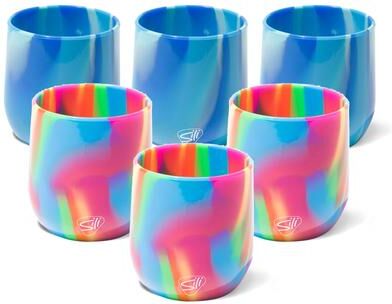
Silipint: Silicone 12oz Stemless Wine Glasses: 6 Pack - 3 Hippie Hops & 3 Arctic Sky - Flexible & Unbreakable, Hot/ColdStock your indoor & outdoor bar for carefree entertaining with our new and improved, unbreakable 12 ounce stemless silicone wine glasses. Redesigned to be more sturdy, this wine glass gives a more confident hold.56,29 $*Shipping: 0,00 $Secure redirect to the provider
-
Silipint: Silicone Wine Glasses: 2 Pack - Peppermint & PoinsettiaWINE GLASSES: 2PK - PEPPERMINT & POINSETTIA - Elevate your indoor and outdoor bar this festive season with our new and improved unbreakable 12-ounce stemless silicone wine glasses!26,79 $*Shipping: 0,00 $Secure redirect to the provider
-
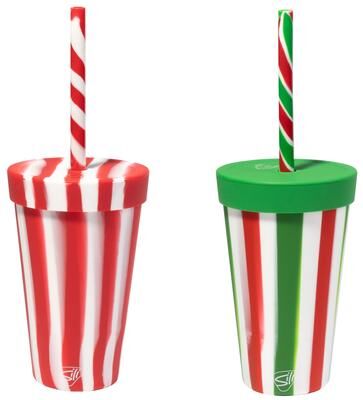
Silipint: Silicone 16 oz Straw Tumbler: Peppermint & Poinsettia - Reusable Unbreakable, Stocking Stuffer, Holiday GiftSILIPINT SILICONE 16 OZ STRAW TUMBLER SET: Sip in Holiday Style with our NEW 16 oz Straw Tumbler. These sweet unbreakable candy cane designed tumblers are perfect for all your favorite beverages - hot or cold.33,49 $*Shipping: 0,00 $Secure redirect to the provider


-
How are rocks formed?
Rocks are formed through a process called the rock cycle, which involves the transformation of one type of rock into another over time. The rock cycle begins with the cooling and solidification of magma or lava, which forms igneous rocks. These rocks can then be broken down into smaller pieces through weathering and erosion, and the resulting sediments can be compacted and cemented together to form sedimentary rocks. Over time, these rocks can be subjected to heat and pressure, causing them to undergo changes and become metamorphic rocks. This continuous process of formation, transformation, and reformation is what shapes the Earth's crust and creates the variety of rocks we see today. **
-
Does silicone stick to silicone?
Yes, silicone does stick to silicone. When two silicone surfaces come into contact, they tend to adhere to each other due to their similar chemical composition. This property makes silicone a popular material for creating airtight seals and bonding silicone-based products together. **
-
Can I apply silicone on silicone?
It is generally not recommended to apply new silicone on top of existing silicone. The new silicone may not adhere properly to the old silicone, leading to potential issues with adhesion and durability. It is best to remove the old silicone completely before applying a new layer to ensure a proper bond and a long-lasting seal. **
-
Can silicone be applied on silicone?
Yes, silicone can be applied on top of existing silicone. However, it is important to ensure that the existing silicone is clean and free of any dirt, dust, or residue before applying new silicone. Additionally, it is recommended to use a silicone primer to promote adhesion between the old and new silicone layers. This will help to create a strong bond and ensure a durable seal. **

How can one identify rocks?
Rocks can be identified based on their physical characteristics such as color, texture, and mineral composition. Color can provide clues about the types of minerals present in the rock, while texture can indicate how the rock was formed (e.g. smooth texture in sedimentary rocks). Mineral composition can be determined by conducting tests such as scratching the rock to see its hardness or using acid to test for carbonate minerals. Additionally, the overall appearance and structure of the rock can also help in identifying its type. **
'How do you paint rocks?'
To paint rocks, start by cleaning them with soap and water to remove any dirt or debris. Once they are dry, apply a base coat of acrylic paint to the entire rock and let it dry completely. Then, use smaller brushes and acrylic paint to add your desired designs or patterns to the rock. You can also use paint pens or markers for more detailed designs. Once the paint is dry, seal the rock with a clear acrylic sealer to protect the paint and give it a glossy finish. **
Top-Angebote
Products related to Silipint-Silicone-12oz-Rocks:
-
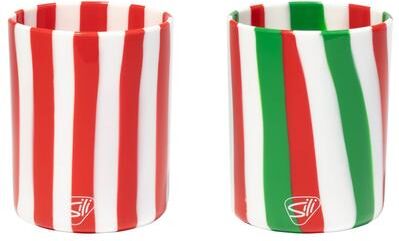
Silipint: Silicone 12oz Rocks Glasses: 2 Pack - Peppermint & Poinsettia - Reusable, Unbreakable, Holiday PartiesSILIPINT CANDY CANE ROCKS GLASS: Elevate your Holiday Cheer with the NEW Candy Cane Rocks Glass! Raise a glass to the Holidays with our new dazzling Candy Cane Patterned Limited Edition Rocks Cup.23,20 $*Shipping: 0,00 $Secure redirect to the provider
-
Silipint: Silicone 12oz Stemless Wine Glasses: 6 Pack - 3 Hippie Hops & 3 Arctic Sky - Flexible & Unbreakable, Hot/ColdStock your indoor & outdoor bar for carefree entertaining with our new and improved, unbreakable 12 ounce stemless silicone wine glasses. Redesigned to be more sturdy, this wine glass gives a more confident hold.56,29 $*Shipping: 0,00 $Secure redirect to the provider
-
Why do rocks smell?
Rocks do not actually have a smell themselves. However, sometimes rocks can emit a smell when they are heated or crushed. This smell is often due to the release of volatile compounds or minerals within the rock. For example, when rocks containing sulfur compounds are crushed, they can release a distinct rotten egg smell. **
-
What are painted rocks?
Painted rocks are rocks that have been decorated with various designs, patterns, and images using paint or markers. People often paint rocks as a form of creative expression and then place them in public spaces for others to find and enjoy. This activity has become popular as a way to spread positivity and brighten someone's day when they come across a beautifully painted rock. Some people also use painted rocks as a form of outdoor art or to create a sense of community connection. **
-
How are rocks formed?
Rocks are formed through a process called the rock cycle, which involves the transformation of one type of rock into another over time. The rock cycle begins with the cooling and solidification of magma or lava, which forms igneous rocks. These rocks can then be broken down into smaller pieces through weathering and erosion, and the resulting sediments can be compacted and cemented together to form sedimentary rocks. Over time, these rocks can be subjected to heat and pressure, causing them to undergo changes and become metamorphic rocks. This continuous process of formation, transformation, and reformation is what shapes the Earth's crust and creates the variety of rocks we see today. **
-
Does silicone stick to silicone?
Yes, silicone does stick to silicone. When two silicone surfaces come into contact, they tend to adhere to each other due to their similar chemical composition. This property makes silicone a popular material for creating airtight seals and bonding silicone-based products together. **
Similar search terms for Silipint-Silicone-12oz-Rocks
-
Silipint: Silicone Wine Glasses: 2 Pack - Peppermint & PoinsettiaWINE GLASSES: 2PK - PEPPERMINT & POINSETTIA - Elevate your indoor and outdoor bar this festive season with our new and improved unbreakable 12-ounce stemless silicone wine glasses!26,79 $*Shipping: 0,00 $Secure redirect to the provider
-
Silipint: Silicone 16 oz Straw Tumbler: Peppermint & Poinsettia - Reusable Unbreakable, Stocking Stuffer, Holiday GiftSILIPINT SILICONE 16 OZ STRAW TUMBLER SET: Sip in Holiday Style with our NEW 16 oz Straw Tumbler. These sweet unbreakable candy cane designed tumblers are perfect for all your favorite beverages - hot or cold.33,49 $*Shipping: 0,00 $Secure redirect to the provider
-
Silipint: Silicone Pint Glasses: 4 Pack (2) Peppermint & (2) Poinsettia - 16oz - Reusable, Unbreakable, Holiday PartiesSILIPINT 16 OZ PINT GLASSES: For thirsty folks across the land, 16 ounce silicone pints are more than a rugged alternative to the beer glass.44,36 $*Shipping: 0,00 $Secure redirect to the provider
-
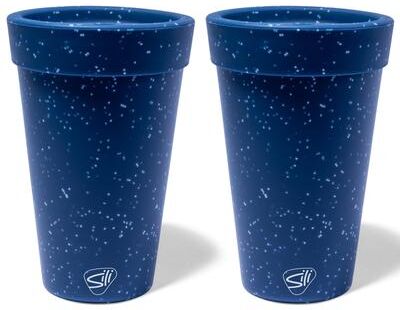
Silipint: Silicone 16oz Coffee Tumblers: 2 Pack Blue Speckled - Unbreakable Cups, Reusable, Flexible, Hot & Cold DrinksWith a Silipint Tumbler in hand, you can go where no other drinkware can… everywhere. That's because our 16 ounce tumblers are made from naturally occurring silica: a durable, non-toxic material that is flexible, durable, and can handle the heat.41,57 $*Shipping: 0,00 $Secure redirect to the provider
-
Can I apply silicone on silicone?
It is generally not recommended to apply new silicone on top of existing silicone. The new silicone may not adhere properly to the old silicone, leading to potential issues with adhesion and durability. It is best to remove the old silicone completely before applying a new layer to ensure a proper bond and a long-lasting seal. **
-
Can silicone be applied on silicone?
Yes, silicone can be applied on top of existing silicone. However, it is important to ensure that the existing silicone is clean and free of any dirt, dust, or residue before applying new silicone. Additionally, it is recommended to use a silicone primer to promote adhesion between the old and new silicone layers. This will help to create a strong bond and ensure a durable seal. **
-
How can one identify rocks?
Rocks can be identified based on their physical characteristics such as color, texture, and mineral composition. Color can provide clues about the types of minerals present in the rock, while texture can indicate how the rock was formed (e.g. smooth texture in sedimentary rocks). Mineral composition can be determined by conducting tests such as scratching the rock to see its hardness or using acid to test for carbonate minerals. Additionally, the overall appearance and structure of the rock can also help in identifying its type. **
-
'How do you paint rocks?'
To paint rocks, start by cleaning them with soap and water to remove any dirt or debris. Once they are dry, apply a base coat of acrylic paint to the entire rock and let it dry completely. Then, use smaller brushes and acrylic paint to add your desired designs or patterns to the rock. You can also use paint pens or markers for more detailed designs. Once the paint is dry, seal the rock with a clear acrylic sealer to protect the paint and give it a glossy finish. **
* All prices are inclusive of VAT and, if applicable, plus shipping costs. The offer information is based on the details provided by the respective shop and is updated through automated processes. Real-time updates do not occur, so deviations can occur in individual cases. ** Note: Parts of this content were created by AI.