Buy amaronilogistics.eu ?
We are moving the project
amaronilogistics.eu .
Are you interested in purchasing the domain
amaronilogistics.eu ?
domain@kv-gmbh.de · 0541-91531010
Buy amaronilogistics.eu ?
Is it Emperor of Germany or German Emperor?
The correct title is German Emperor. The official title of the head of state of the German Empire, established in 1871, was Kaiser (Emperor) of Germany. However, in English, the title is typically translated as German Emperor to reflect the country being referred to rather than the specific title in German. **
Holy Roman Emperor
The title of Holy Roman Emperor was a title given to the ruler of the Holy Roman Empire, a political entity in Central Europe that existed from 962 to 1806. The Holy Roman Emperor was considered the secular ruler of the Christian world, with authority over a vast territory that included parts of modern-day Germany, Italy, and France. The position was elected by a group of powerful princes and bishops known as the Electoral College. The title of Holy Roman Emperor was eventually abolished in 1806 following the defeat of the Empire by Napoleon Bonaparte. **
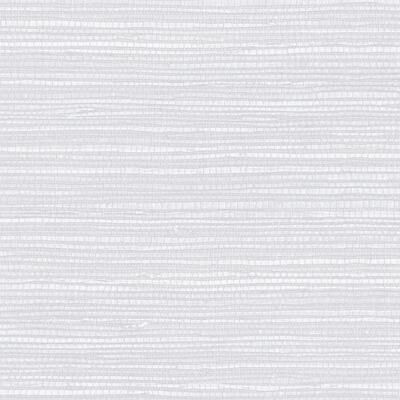
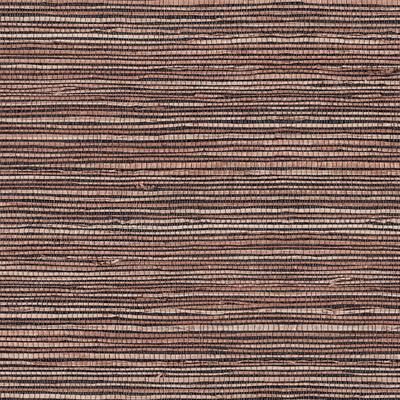
Similar search terms for Superfresco-Easy-Emperor-Grasscloth
Top-Angebote
Products related to Superfresco-Easy-Emperor-Grasscloth:




-
'German Emperor List'
The German Emperor List refers to the list of monarchs who held the title of Emperor of Germany, officially known as the German Emperor or Kaiser. The title was first created in 1871 when the German Empire was established following the unification of Germany under the leadership of Prussia. The first German Emperor was Wilhelm I, who was succeeded by his son, Frederick III, and then his grandson, Wilhelm II. The title of German Emperor was abolished in 1918 at the end of World War I, marking the end of the German Empire. **
-
Holy Roman Empire Emperor
The Holy Roman Empire was a complex political entity in Europe that existed from 800 to 1806. The Emperor of the Holy Roman Empire was the ruler of this vast territory, which included parts of modern-day Germany, Italy, and France. The Emperor was elected by a group of powerful nobles known as electors, and the position was often held by members of the Habsburg family. The Emperor's authority was limited by the power of the nobles and princes within the Empire, making it a decentralized and often unstable political entity. **
-
Is Emperor Augustus controversial?
Emperor Augustus is indeed a controversial figure. While he is often celebrated for bringing stability and prosperity to the Roman Empire, his rise to power involved a series of violent conflicts and political maneuvering. Additionally, his reign marked the transition from the Roman Republic to the Roman Empire, which has been a subject of debate among historians. Some view him as a skilled leader who brought about positive changes, while others criticize his authoritarian tendencies and the impact of his rule on the traditional Roman political system. **
-
'Emperor of Austria List'
The Emperor of Austria List refers to the list of rulers who held the title of Emperor of Austria, which was a title used by the Habsburg monarchs from 1804 to 1918. The first Emperor of Austria was Francis II, who also held the title of Holy Roman Emperor until its dissolution in 1806. The last Emperor of Austria was Charles I, who reigned until the end of World War I and the dissolution of the Austro-Hungarian Empire. The Emperor of Austria List includes the names and reigns of the various rulers who held this title during the 19th and early 20th centuries. **

Is Otto von Bismarck a German Emperor or an Emperor of the Germans?
Otto von Bismarck was a German Chancellor, not an Emperor. He played a crucial role in the unification of Germany in 1871 and served as the first Chancellor of the German Empire. While he was not an Emperor himself, he was instrumental in the creation of the German Empire and worked closely with Kaiser Wilhelm I, who became the first German Emperor. **
What is a German Emperor?
A German Emperor, also known as a Kaiser, was the ruler of the German Empire from 1871 to 1918. The title was created when the German states unified under Prussian leadership, with the King of Prussia becoming the Emperor. The German Emperor held significant political and military power, overseeing the administration of the empire and representing Germany on the international stage. The position of German Emperor was abolished after World War I, following the empire's defeat and the establishment of the Weimar Republic. **
Top-Angebote
Products related to Superfresco-Easy-Emperor-Grasscloth:
-
Superfresco Easy Emperor Grasscloth Terra WallpaperA beautiful textured grasscloth effect in an earthy teracootal tone with flecks of metallic. Versatile and durable this product is perfect for high traffic areas such as halls stairs and landing.60,00 $*Shipping: 0,00 $Secure redirect to the provider
-
Is it Emperor of Germany or German Emperor?
The correct title is German Emperor. The official title of the head of state of the German Empire, established in 1871, was Kaiser (Emperor) of Germany. However, in English, the title is typically translated as German Emperor to reflect the country being referred to rather than the specific title in German. **
-
Holy Roman Emperor
The title of Holy Roman Emperor was a title given to the ruler of the Holy Roman Empire, a political entity in Central Europe that existed from 962 to 1806. The Holy Roman Emperor was considered the secular ruler of the Christian world, with authority over a vast territory that included parts of modern-day Germany, Italy, and France. The position was elected by a group of powerful princes and bishops known as the Electoral College. The title of Holy Roman Emperor was eventually abolished in 1806 following the defeat of the Empire by Napoleon Bonaparte. **
-
'German Emperor List'
The German Emperor List refers to the list of monarchs who held the title of Emperor of Germany, officially known as the German Emperor or Kaiser. The title was first created in 1871 when the German Empire was established following the unification of Germany under the leadership of Prussia. The first German Emperor was Wilhelm I, who was succeeded by his son, Frederick III, and then his grandson, Wilhelm II. The title of German Emperor was abolished in 1918 at the end of World War I, marking the end of the German Empire. **
-
Holy Roman Empire Emperor
The Holy Roman Empire was a complex political entity in Europe that existed from 800 to 1806. The Emperor of the Holy Roman Empire was the ruler of this vast territory, which included parts of modern-day Germany, Italy, and France. The Emperor was elected by a group of powerful nobles known as electors, and the position was often held by members of the Habsburg family. The Emperor's authority was limited by the power of the nobles and princes within the Empire, making it a decentralized and often unstable political entity. **
Similar search terms for Superfresco-Easy-Emperor-Grasscloth
-
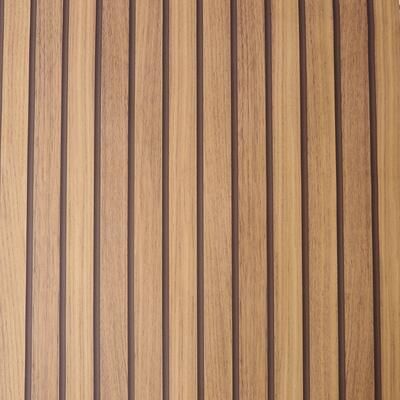
Superfresco Easy Superfresco Wooden Slats Natural WallpaperCreate a realistic slat effect look in less than half the time! Luxurious and timeless, Wooden Slats wallpaper allows you to dress up your walls without all the work. Perfect for constructing a traditional wood wall look.39,60 $*Shipping: 0,00 $Secure redirect to the provider
-
Superfresco Easy Superfresco Paintable Wood Panel White WallpaperThis versatile wood paneling effect wallpaper is perfect to add a contemporary and stylish feel to any room. Being paintable, this wallpaper allows you to add your own touch to your walls in any color you choose!52,00 $*Shipping: 0,00 $Secure redirect to the provider
-
Is Emperor Augustus controversial?
Emperor Augustus is indeed a controversial figure. While he is often celebrated for bringing stability and prosperity to the Roman Empire, his rise to power involved a series of violent conflicts and political maneuvering. Additionally, his reign marked the transition from the Roman Republic to the Roman Empire, which has been a subject of debate among historians. Some view him as a skilled leader who brought about positive changes, while others criticize his authoritarian tendencies and the impact of his rule on the traditional Roman political system. **
-
'Emperor of Austria List'
The Emperor of Austria List refers to the list of rulers who held the title of Emperor of Austria, which was a title used by the Habsburg monarchs from 1804 to 1918. The first Emperor of Austria was Francis II, who also held the title of Holy Roman Emperor until its dissolution in 1806. The last Emperor of Austria was Charles I, who reigned until the end of World War I and the dissolution of the Austro-Hungarian Empire. The Emperor of Austria List includes the names and reigns of the various rulers who held this title during the 19th and early 20th centuries. **
-
Is Otto von Bismarck a German Emperor or an Emperor of the Germans?
Otto von Bismarck was a German Chancellor, not an Emperor. He played a crucial role in the unification of Germany in 1871 and served as the first Chancellor of the German Empire. While he was not an Emperor himself, he was instrumental in the creation of the German Empire and worked closely with Kaiser Wilhelm I, who became the first German Emperor. **
-
What is a German Emperor?
A German Emperor, also known as a Kaiser, was the ruler of the German Empire from 1871 to 1918. The title was created when the German states unified under Prussian leadership, with the King of Prussia becoming the Emperor. The German Emperor held significant political and military power, overseeing the administration of the empire and representing Germany on the international stage. The position of German Emperor was abolished after World War I, following the empire's defeat and the establishment of the Weimar Republic. **
* All prices are inclusive of VAT and, if applicable, plus shipping costs. The offer information is based on the details provided by the respective shop and is updated through automated processes. Real-time updates do not occur, so deviations can occur in individual cases. ** Note: Parts of this content were created by AI.