Buy amaronilogistics.eu ?
We are moving the project
amaronilogistics.eu .
Are you interested in purchasing the domain
amaronilogistics.eu ?
domain@kv-gmbh.de · 0541-91531010
Buy amaronilogistics.eu ?
What are beehive sandals?
Beehive sandals are a type of footwear that feature a distinctive honeycomb-like pattern on the sole of the shoe. This pattern is designed to provide extra cushioning and support for the wearer's feet, making them comfortable to wear for extended periods of time. The name "beehive" comes from the resemblance of the pattern to the cells of a beehive. These sandals are popular for their unique design and comfort. **
What was the Special Command Beehive?
The Special Command Beehive was a top-secret military bunker located in the Swiss Alps. It was built during the Cold War to serve as a command center in case of a nuclear attack. The bunker was equipped with state-of-the-art communication systems, supplies to sustain personnel for an extended period, and was designed to withstand a nuclear blast. The location and details of the Special Command Beehive were kept classified until it was decommissioned in the 1990s. **
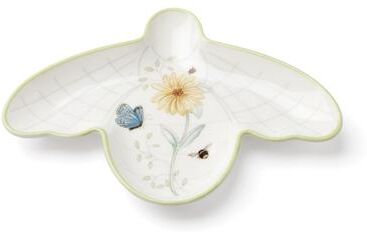
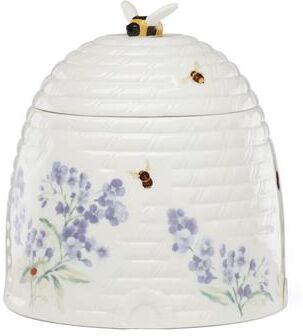
Similar search terms for Lenox-Butterfly-Meadow-Beehive
Top-Angebote
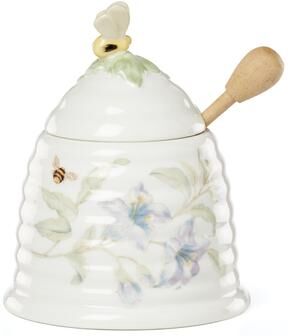
Products related to Lenox-Butterfly-Meadow-Beehive:



-
How can one destroy a beehive?
One way to destroy a beehive is to use a pesticide specifically designed to kill bees. This should be done with caution, as it can harm other beneficial insects and the environment. Another method is to physically remove the hive by carefully knocking it down and disposing of it. It's important to take safety precautions and consider enlisting the help of a professional beekeeper or pest control expert to ensure the hive is destroyed properly and safely. **
-
Where should the beehive be placed?
The beehive should be placed in a location that receives plenty of sunlight, preferably facing southeast or south. It should also be sheltered from strong winds and have a source of fresh water nearby. Additionally, it's important to place the beehive in an area where it won't be disturbed by human or animal activity. Overall, the ideal location for a beehive is one that provides a stable and comfortable environment for the bees to thrive. **
-
How does beekeeping work in the beehive?
Beekeeping in the beehive involves managing the colony of bees to ensure their health and productivity. Beekeepers provide the bees with a suitable hive structure, including frames for the bees to build their honeycomb and store honey. They also monitor the hive for signs of disease or pests, and may take measures to control these threats. Beekeepers may also harvest honey and other bee products from the hive, while ensuring that the bees have enough resources to sustain themselves. Overall, beekeeping in the beehive involves a combination of providing for the bees' needs and managing their productivity. **
-
How do wasps get into the beehive?
Wasps can get into a beehive in a few different ways. They may enter through small openings or cracks in the hive, or they may simply force their way in by overpowering the guard bees. Some wasps are also known to mimic the scent of the queen bee in order to deceive the guard bees and gain entry to the hive. Once inside, the wasps will prey on the bees and their larvae, posing a threat to the entire colony. **


Why is the butterfly called butterfly in English?
The origin of the word "butterfly" in English is uncertain, but one theory suggests that it may have come from the Old English word "buttorfleoge," which means "butterfly." This could be because butterflies were often seen fluttering around dairy products like butter. Another theory is that the name comes from the yellow color of some species, resembling the color of butter. Ultimately, the exact reason for the name "butterfly" remains a bit of a mystery. **
What are the worker bees in a beehive?
Worker bees are female bees that make up the majority of the population in a beehive. They are responsible for various tasks such as caring for the young, collecting nectar and pollen, building and maintaining the hive, and defending the hive from predators. Worker bees have specialized roles based on their age, with younger bees typically working inside the hive and older bees venturing outside to forage for food. **
Top-Angebote
Products related to Lenox-Butterfly-Meadow-Beehive:
-
What are beehive sandals?
Beehive sandals are a type of footwear that feature a distinctive honeycomb-like pattern on the sole of the shoe. This pattern is designed to provide extra cushioning and support for the wearer's feet, making them comfortable to wear for extended periods of time. The name "beehive" comes from the resemblance of the pattern to the cells of a beehive. These sandals are popular for their unique design and comfort. **
-
What was the Special Command Beehive?
The Special Command Beehive was a top-secret military bunker located in the Swiss Alps. It was built during the Cold War to serve as a command center in case of a nuclear attack. The bunker was equipped with state-of-the-art communication systems, supplies to sustain personnel for an extended period, and was designed to withstand a nuclear blast. The location and details of the Special Command Beehive were kept classified until it was decommissioned in the 1990s. **
-
How can one destroy a beehive?
One way to destroy a beehive is to use a pesticide specifically designed to kill bees. This should be done with caution, as it can harm other beneficial insects and the environment. Another method is to physically remove the hive by carefully knocking it down and disposing of it. It's important to take safety precautions and consider enlisting the help of a professional beekeeper or pest control expert to ensure the hive is destroyed properly and safely. **
-
Where should the beehive be placed?
The beehive should be placed in a location that receives plenty of sunlight, preferably facing southeast or south. It should also be sheltered from strong winds and have a source of fresh water nearby. Additionally, it's important to place the beehive in an area where it won't be disturbed by human or animal activity. Overall, the ideal location for a beehive is one that provides a stable and comfortable environment for the bees to thrive. **
Similar search terms for Lenox-Butterfly-Meadow-Beehive
-
How does beekeeping work in the beehive?
Beekeeping in the beehive involves managing the colony of bees to ensure their health and productivity. Beekeepers provide the bees with a suitable hive structure, including frames for the bees to build their honeycomb and store honey. They also monitor the hive for signs of disease or pests, and may take measures to control these threats. Beekeepers may also harvest honey and other bee products from the hive, while ensuring that the bees have enough resources to sustain themselves. Overall, beekeeping in the beehive involves a combination of providing for the bees' needs and managing their productivity. **
-
How do wasps get into the beehive?
Wasps can get into a beehive in a few different ways. They may enter through small openings or cracks in the hive, or they may simply force their way in by overpowering the guard bees. Some wasps are also known to mimic the scent of the queen bee in order to deceive the guard bees and gain entry to the hive. Once inside, the wasps will prey on the bees and their larvae, posing a threat to the entire colony. **
-
Why is the butterfly called butterfly in English?
The origin of the word "butterfly" in English is uncertain, but one theory suggests that it may have come from the Old English word "buttorfleoge," which means "butterfly." This could be because butterflies were often seen fluttering around dairy products like butter. Another theory is that the name comes from the yellow color of some species, resembling the color of butter. Ultimately, the exact reason for the name "butterfly" remains a bit of a mystery. **
-
What are the worker bees in a beehive?
Worker bees are female bees that make up the majority of the population in a beehive. They are responsible for various tasks such as caring for the young, collecting nectar and pollen, building and maintaining the hive, and defending the hive from predators. Worker bees have specialized roles based on their age, with younger bees typically working inside the hive and older bees venturing outside to forage for food. **
* All prices are inclusive of VAT and, if applicable, plus shipping costs. The offer information is based on the details provided by the respective shop and is updated through automated processes. Real-time updates do not occur, so deviations can occur in individual cases. ** Note: Parts of this content were created by AI.