Buy amaronilogistics.eu ?
We are moving the project
amaronilogistics.eu .
Are you interested in purchasing the domain
amaronilogistics.eu ?
domain@kv-gmbh.de · 0541-91531010
Buy amaronilogistics.eu ?
Why are the Inuit so tanned?
The Inuit have a tanned complexion due to their adaptation to living in the Arctic region. The tanned skin helps to protect them from the harsh UV rays that are reflected off the snow and ice. Additionally, the Inuit have a diet rich in vitamin D from sources like fish and marine mammals, which also contributes to their tanned complexion. This adaptation allows them to live in their environment and absorb the necessary nutrients from the sun. **
Which gods did the Inuit have?
The Inuit people traditionally believed in a pantheon of gods and spirits that were closely tied to the natural world. Some of the most important Inuit gods included Sedna, the goddess of the sea and marine animals, and Sila, the spirit of the sky, weather, and life force. Other important figures in Inuit mythology included Nanook, the master of bears, and Pinga, the goddess of the hunt and fertility. These gods and spirits played a central role in Inuit religious practices and beliefs, helping to explain and make sense of the natural world around them. **


Similar search terms for Inuit
Top-Angebote
Products related to Inuit:
-
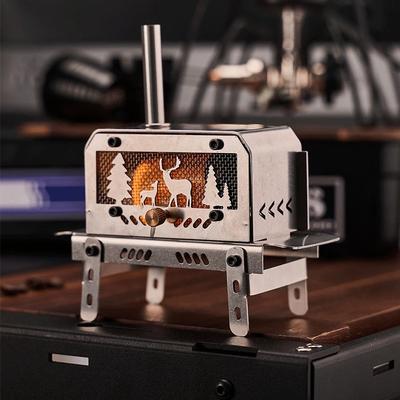
Uplifted Finds Mini Portable Folding Stove And High Fidelity Thermal Logistics Architecture Mini Portable Folding Stove And High Fidelity Thermal Logistics ArchitectureCommand ultimate environmental confidence with this Stainless Steel Mini Folding Stove, a thermal regulation solution specifically engineered to act as a comprehensive tool for elite organization and superior technical ergonomics. Built with a...177,97 $*Shipping: 0,00 $Secure redirect to the provider
-
Uplifted Finds High Volume Safety Breakaway Logistics Hub multicolorOptimize your pet inventory management with the HighVolume Safety Hub, a professionalgrade identification system engineered with multiunit deployment logic. This highutility lot features 100 individual collar modules, each constructed with a...165,97 $*Shipping: 0,00 $Secure redirect to the provider
-
Uplifted Finds High Volume Safety Breakaway Logistics Hub blueOptimize your pet inventory management with the HighVolume Safety Hub, a professionalgrade identification system engineered with multiunit deployment logic. This highutility lot features 100 individual collar modules, each constructed with a...165,97 $*Shipping: 0,00 $Secure redirect to the provider
-
Uplifted Finds High Volume Safety Breakaway Logistics Hub redOptimize your pet inventory management with the HighVolume Safety Hub, a professionalgrade identification system engineered with multiunit deployment logic. This highutility lot features 100 individual collar modules, each constructed with a...165,97 $*Shipping: 0,00 $Secure redirect to the provider



-
What do the Inuit call their land?
The Inuit call their land "Inuit Nunangat," which means "the homeland of the Inuit" in the Inuktitut language. **
-
How do Inuit go to the toilet?
Inuit traditionally used a shallow hole dug in the snow or ice as a toilet, which is then covered up after use. This method is practical in the Arctic environment where the ground is frozen and covered in snow for much of the year. In more modern times, Inuit communities may have indoor plumbing and use regular toilets like those found in other parts of the world. **
-
Which term is correct: Eskimo or Inuit?
The term "Inuit" is considered more appropriate and respectful than "Eskimo." "Eskimo" is a term that has been used historically by non-Inuit people and has negative connotations in some Inuit communities. "Inuit" is the preferred term used by the indigenous people of the Arctic, encompassing various groups such as the Inupiat, Yupik, and others. It is important to use the term "Inuit" to show respect for their cultural identity and to avoid perpetuating harmful stereotypes. **
-
What are the seasons of the Inuit?
The Inuit people recognize six seasons in their traditional calendar: Ukiuq (winter), Sivulliik (spring), Sikusiilaq (late spring), Aupilaaq (summer), Ukiangqailaaq (early fall), and Qiujuq (fall). Each season is marked by distinct environmental and weather conditions, as well as specific activities and cultural practices. These seasons are closely tied to the natural cycles of the Arctic environment and play a significant role in the Inuit way of life. **


Do the Inuit belong to the Turkic peoples?
No, the Inuit do not belong to the Turkic peoples. The Inuit are indigenous peoples who primarily inhabit the Arctic regions of Canada, Greenland, and Alaska. They have their own distinct language, culture, and history that are different from the Turkic peoples, who are a group of ethnicities primarily located in Central Asia and parts of Eastern Europe. **
What is the difference between Eskimos and Inuit?
The term "Eskimo" is a broad, outdated, and sometimes considered offensive term that was historically used to refer to the indigenous peoples inhabiting the Arctic regions of North America and Greenland. Inuit, on the other hand, is a specific term used to refer to the indigenous peoples of the Arctic regions of Canada and Greenland. Inuit is a more culturally sensitive and accurate term to use when referring to these specific indigenous groups, while Eskimo is a more general and outdated term. **
Top-Angebote
Products related to Inuit:
-
Radius Electrofusion Gas Distribution Valve 32mmDonkin MDPE (PE 80) electrofusion fittings, for use with MDPE (PE80) gas pipe, is manufactured to the requirements of B.G Transco Technical Standard PL2 - Part 4. Electrofusion fittings are supplied in individual sealed bags to avoid contamination of the joint surfaces prior to jointing.79,02 £*Shipping: 0,00 £Secure redirect to the provider
-
Antsig Distribution Amplifier 8 Way, NewEnsure crystal-clear signal strength across multiple devices with the Antsig Distribution Amplifier 8 Way — a reliable and high-performance solution for distributing digital TV, FM, or DAB signals to multiple TVs or tuners in your home or commercial setup. This amplifier is designed to boost signal strength and maintain picture and sound quality, especially in areas with weak reception. Whether you're connecting TVs in different rooms or setting up a home entertainment system, Antsig delivers superior signal stability and wide coverage, making it the perfect choice for seamless media enjoyment. 🔶 ( 8-Way Signal Distribution ) – Distributes amplified signal to up to 8 different TVs or devices without signal loss. 🔶 ( High Gain Amplification ) – Enhances weak signals, improving clarity and reception across all connected devices. 🔶 ( Digital TV, FM & DAB Compatible ) – Supports a wide range of signals for versatile use in your entertainment setup. 🔶 ( Easy Plug-and-Play Installation ) – Simple setup with no complex configuration needed; ready to go out of the box. 🔶 ( Low Noise Output ) – Delivers a clean, interference-free signal for superior audio and video performance. 🔶 ( Compact & Durable Design ) – Space-saving design fits easily into any setup and built with long-lasting components. 🔶 ( Ideal for Homes & Commercial Spaces ) – Perfect for large households, offices, apartments, and hotels. 🔶 ( Power Supply Included ) – Comes complete with its own power adapter for uninterrupted performance. 🔶 ( Stable Signal Across All Ports ) – Ensures consistent signal strength across all 8 outputs. 🔶 ( Wall-Mountable Option ) – Flexible installation with optional wall mounting for better space management. The Antsig Distribution Amplifier 8 Way is the ultimate solution for homes or businesses needing consistent, high-quality signal distribution across multiple screens. Say goodbye to signal dropouts and enjoy uninterrupted entertainment with strong, stable performance in every room. Ideal for digital TV installations, this amplifier ensures you get the best possible viewing and listening experience from all your connected devices.24,99 £*Shipping: 0,00 £Secure redirect to the provider
-
Uplifted Finds Mini Portable Folding Stove And High Fidelity Thermal Logistics Architecture Mini Portable Folding Stove And High Fidelity Thermal Logistics ArchitectureCommand ultimate environmental confidence with this Stainless Steel Mini Folding Stove, a thermal regulation solution specifically engineered to act as a comprehensive tool for elite organization and superior technical ergonomics. Built with a...177,97 $*Shipping: 0,00 $Secure redirect to the provider
-
Uplifted Finds High Volume Safety Breakaway Logistics Hub multicolorOptimize your pet inventory management with the HighVolume Safety Hub, a professionalgrade identification system engineered with multiunit deployment logic. This highutility lot features 100 individual collar modules, each constructed with a...165,97 $*Shipping: 0,00 $Secure redirect to the provider
-
Why are the Inuit so tanned?
The Inuit have a tanned complexion due to their adaptation to living in the Arctic region. The tanned skin helps to protect them from the harsh UV rays that are reflected off the snow and ice. Additionally, the Inuit have a diet rich in vitamin D from sources like fish and marine mammals, which also contributes to their tanned complexion. This adaptation allows them to live in their environment and absorb the necessary nutrients from the sun. **
-
Which gods did the Inuit have?
The Inuit people traditionally believed in a pantheon of gods and spirits that were closely tied to the natural world. Some of the most important Inuit gods included Sedna, the goddess of the sea and marine animals, and Sila, the spirit of the sky, weather, and life force. Other important figures in Inuit mythology included Nanook, the master of bears, and Pinga, the goddess of the hunt and fertility. These gods and spirits played a central role in Inuit religious practices and beliefs, helping to explain and make sense of the natural world around them. **
-
What do the Inuit call their land?
The Inuit call their land "Inuit Nunangat," which means "the homeland of the Inuit" in the Inuktitut language. **
-
How do Inuit go to the toilet?
Inuit traditionally used a shallow hole dug in the snow or ice as a toilet, which is then covered up after use. This method is practical in the Arctic environment where the ground is frozen and covered in snow for much of the year. In more modern times, Inuit communities may have indoor plumbing and use regular toilets like those found in other parts of the world. **
Similar search terms for Inuit
-
Uplifted Finds High Volume Safety Breakaway Logistics Hub blueOptimize your pet inventory management with the HighVolume Safety Hub, a professionalgrade identification system engineered with multiunit deployment logic. This highutility lot features 100 individual collar modules, each constructed with a...165,97 $*Shipping: 0,00 $Secure redirect to the provider
-
Uplifted Finds High Volume Safety Breakaway Logistics Hub redOptimize your pet inventory management with the HighVolume Safety Hub, a professionalgrade identification system engineered with multiunit deployment logic. This highutility lot features 100 individual collar modules, each constructed with a...165,97 $*Shipping: 0,00 $Secure redirect to the provider
-
Uplifted Finds High Volume Safety Breakaway Logistics Hub orangeOptimize your pet inventory management with the HighVolume Safety Hub, a professionalgrade identification system engineered with multiunit deployment logic. This highutility lot features 100 individual collar modules, each constructed with a...165,97 $*Shipping: 0,00 $Secure redirect to the provider
-
Uplifted Finds High Volume Safety Breakaway Logistics Hub yellowOptimize your pet inventory management with the HighVolume Safety Hub, a professionalgrade identification system engineered with multiunit deployment logic. This highutility lot features 100 individual collar modules, each constructed with a...165,97 $*Shipping: 0,00 $Secure redirect to the provider
-
Which term is correct: Eskimo or Inuit?
The term "Inuit" is considered more appropriate and respectful than "Eskimo." "Eskimo" is a term that has been used historically by non-Inuit people and has negative connotations in some Inuit communities. "Inuit" is the preferred term used by the indigenous people of the Arctic, encompassing various groups such as the Inupiat, Yupik, and others. It is important to use the term "Inuit" to show respect for their cultural identity and to avoid perpetuating harmful stereotypes. **
-
What are the seasons of the Inuit?
The Inuit people recognize six seasons in their traditional calendar: Ukiuq (winter), Sivulliik (spring), Sikusiilaq (late spring), Aupilaaq (summer), Ukiangqailaaq (early fall), and Qiujuq (fall). Each season is marked by distinct environmental and weather conditions, as well as specific activities and cultural practices. These seasons are closely tied to the natural cycles of the Arctic environment and play a significant role in the Inuit way of life. **
-
Do the Inuit belong to the Turkic peoples?
No, the Inuit do not belong to the Turkic peoples. The Inuit are indigenous peoples who primarily inhabit the Arctic regions of Canada, Greenland, and Alaska. They have their own distinct language, culture, and history that are different from the Turkic peoples, who are a group of ethnicities primarily located in Central Asia and parts of Eastern Europe. **
-
What is the difference between Eskimos and Inuit?
The term "Eskimo" is a broad, outdated, and sometimes considered offensive term that was historically used to refer to the indigenous peoples inhabiting the Arctic regions of North America and Greenland. Inuit, on the other hand, is a specific term used to refer to the indigenous peoples of the Arctic regions of Canada and Greenland. Inuit is a more culturally sensitive and accurate term to use when referring to these specific indigenous groups, while Eskimo is a more general and outdated term. **
* All prices are inclusive of VAT and, if applicable, plus shipping costs. The offer information is based on the details provided by the respective shop and is updated through automated processes. Real-time updates do not occur, so deviations can occur in individual cases. ** Note: Parts of this content were created by AI.