Buy amaronilogistics.eu ?
We are moving the project
amaronilogistics.eu .
Are you interested in purchasing the domain
amaronilogistics.eu ?
domain@kv-gmbh.de · 0541-91531010
Buy amaronilogistics.eu ?
When did the Indo-Germanic people migrate to the Near East?
The Indo-Germanic people, also known as the Indo-Europeans, are believed to have migrated to the Near East around 2000 BCE. This migration is thought to have occurred in multiple waves, with different groups settling in various regions such as Anatolia, Mesopotamia, and the Levant. The Indo-Germanic people brought with them their language, culture, and technology, which had a significant impact on the societies they encountered in the Near East. **
What are Indo-European Aryans?
Indo-European Aryans were a group of people who spoke the Indo-European language and were believed to have migrated from the Eurasian steppes into regions such as India, Iran, and Europe around 4000-2000 BCE. They were a nomadic, pastoral society with a hierarchical social structure and a pantheon of gods. The term "Aryan" has been misused in the past to promote racist ideologies, but it is important to understand the historical and linguistic context in which the Indo-European Aryans existed. **


Similar search terms for Indo-Germanic
Top-Angebote
Products related to Indo-Germanic:
-
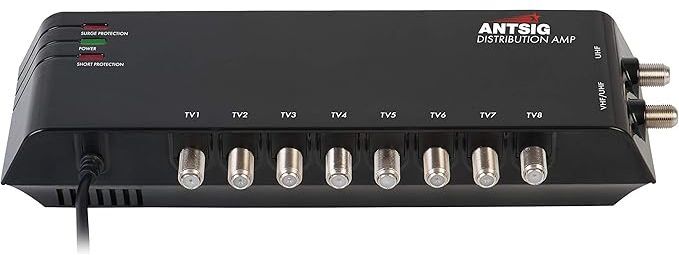
Antsig Distribution Amplifier 8 Way, NewEnsure crystal-clear signal strength across multiple devices with the Antsig Distribution Amplifier 8 Way — a reliable and high-performance solution for distributing digital TV, FM, or DAB signals to multiple TVs or tuners in your home or commercial setup. This amplifier is designed to boost signal strength and maintain picture and sound quality, especially in areas with weak reception. Whether you're connecting TVs in different rooms or setting up a home entertainment system, Antsig delivers superior signal stability and wide coverage, making it the perfect choice for seamless media enjoyment. 🔶 ( 8-Way Signal Distribution ) – Distributes amplified signal to up to 8 different TVs or devices without signal loss. 🔶 ( High Gain Amplification ) – Enhances weak signals, improving clarity and reception across all connected devices. 🔶 ( Digital TV, FM & DAB Compatible ) – Supports a wide range of signals for versatile use in your entertainment setup. 🔶 ( Easy Plug-and-Play Installation ) – Simple setup with no complex configuration needed; ready to go out of the box. 🔶 ( Low Noise Output ) – Delivers a clean, interference-free signal for superior audio and video performance. 🔶 ( Compact & Durable Design ) – Space-saving design fits easily into any setup and built with long-lasting components. 🔶 ( Ideal for Homes & Commercial Spaces ) – Perfect for large households, offices, apartments, and hotels. 🔶 ( Power Supply Included ) – Comes complete with its own power adapter for uninterrupted performance. 🔶 ( Stable Signal Across All Ports ) – Ensures consistent signal strength across all 8 outputs. 🔶 ( Wall-Mountable Option ) – Flexible installation with optional wall mounting for better space management. The Antsig Distribution Amplifier 8 Way is the ultimate solution for homes or businesses needing consistent, high-quality signal distribution across multiple screens. Say goodbye to signal dropouts and enjoy uninterrupted entertainment with strong, stable performance in every room. Ideal for digital TV installations, this amplifier ensures you get the best possible viewing and listening experience from all your connected devices.24,99 £*Shipping: 0,00 £Secure redirect to the provider
-
Radius Electrofusion Gas Distribution Valve 32mmDonkin MDPE (PE 80) electrofusion fittings, for use with MDPE (PE80) gas pipe, is manufactured to the requirements of B.G Transco Technical Standard PL2 - Part 4. Electrofusion fittings are supplied in individual sealed bags to avoid contamination of the joint surfaces prior to jointing.79,02 £*Shipping: 0,00 £Secure redirect to the provider
-
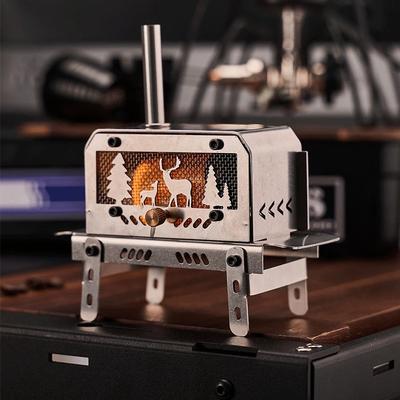
Uplifted Finds Mini Portable Folding Stove And High Fidelity Thermal Logistics Architecture Mini Portable Folding Stove And High Fidelity Thermal Logistics ArchitectureCommand ultimate environmental confidence with this Stainless Steel Mini Folding Stove, a thermal regulation solution specifically engineered to act as a comprehensive tool for elite organization and superior technical ergonomics. Built with a...177,97 $*Shipping: 0,00 $Secure redirect to the provider
-
Uplifted Finds High Volume Safety Breakaway Logistics Hub yellowOptimize your pet inventory management with the HighVolume Safety Hub, a professionalgrade identification system engineered with multiunit deployment logic. This highutility lot features 100 individual collar modules, each constructed with a...165,97 $*Shipping: 0,00 $Secure redirect to the provider


-
What is Proto-Indo-European?
Proto-Indo-European is the hypothetical common ancestor of the Indo-European language family, which includes languages such as English, Spanish, Hindi, Russian, and many others. It is believed to have been spoken thousands of years ago, possibly around 4500-2500 BCE, in the Pontic-Caspian steppe region. Linguists have reconstructed Proto-Indo-European based on similarities found in the vocabulary, grammar, and phonology of its descendant languages. While no written records of Proto-Indo-European exist, its existence is inferred from the similarities among the Indo-European languages. **
-
What are Indo-European languages?
Indo-European languages are a large language family that includes over 400 languages and dialects spoken by about 3 billion people, making it the largest language family in the world. These languages are spoken primarily in Europe, Western and South Asia, and parts of the Americas. Some of the most widely spoken Indo-European languages include English, Spanish, Hindi, and Russian. The family is believed to have originated from a common ancestral language spoken thousands of years ago, and it has since diversified into the many languages we know today. **
-
How can one learn Indo-European?
One can learn Indo-European by studying its grammar, vocabulary, and phonology through textbooks, online resources, and language courses. It is important to familiarize oneself with the historical context and evolution of the language family to understand its structure and development. Practice speaking, writing, and listening to Indo-European languages to improve fluency and comprehension. Additionally, joining language exchange groups or finding a tutor can provide valuable opportunities for conversation and feedback. **
-
Why is the origin Indo-European?
The origin of the Indo-European language family is believed to be in the Pontic-Caspian steppe region, which is located in present-day Ukraine and southern Russia. This region is considered the homeland of the Proto-Indo-European people, from whom the Indo-European languages are believed to have descended. Linguistic evidence, as well as archaeological and genetic research, supports the theory that the Indo-European languages spread from this region through migrations and cultural exchanges. The diverse and widespread nature of the Indo-European languages today can be traced back to this ancient origin in the Pontic-Caspian steppe. **


Were the Germanic people Vikings, or were the Vikings Germanic?
The Germanic people were a group of tribes that lived in Northern Europe, including modern-day Germany, Scandinavia, and the Netherlands. The Vikings were a specific group of people within the broader Germanic culture, known for their seafaring and raiding activities. So, the Vikings were a subset of the Germanic people, and not all Germanic people were Vikings. **
Did the Kurds really descend from the Indo-Europeans?
The origins of the Kurds are still a matter of debate among scholars. Some theories suggest that the Kurds are descendants of the Indo-Europeans, while others argue that they have a distinct ethnic and linguistic background. Linguistic evidence does suggest that Kurdish is an Indo-European language, but this does not necessarily mean that the Kurds themselves are direct descendants of the Indo-Europeans. The issue is complex and requires further research and analysis to reach a definitive conclusion. **
Top-Angebote
Products related to Indo-Germanic:
-
Hodder & Stoughton Khazana by Saliha Mahmood Ahmed – Indo-Persian Recipes Inspired by the Mughal KitchenKhazana by Saliha Mahmood Ahmed – Award-Winning Indo-Persian Cookbooks Looking for award-winning cookbooks that blend rich history with bold, modern flavors? Khazana by MasterChef 2017 winner Saliha Mahmood Ahmed is a must-have cookbooks that celebrates the opulent food culture of the Mughal Empire, fused with modern Indian and Pakistani influences. Shortlisted for ‘Travel Cookery Book of the Year’ at the 2019 Edward Stanford Travel Writing Awards and winner of the Gourmand World Cookbooks Awards 2020 (Celebrity Chef in English), Khazana stands out among modern cookbooks for its vibrant storytelling and exquisite recipes. From Smoked Chicken & Basil Kebabs to Mughal Baked Cod Korma and Rose Ice Cream with Honey-glazed Figs, this cookbook is filled with luxurious, flavor-packed dishes that bring Indo-Persian cuisine to life. Why Khazana belongs in your cookbooks collection: Recognized by top cookbooks awards and food publications Features 21st-century takes on traditional Indo-Persian recipes A perfect cookbooks for fans of Indian, Pakistani, Persian, or fusion cooking Recommended by chefs and praised by BBC Good Food, Express Magazine, and more “A glittering hoard of Indo-Persian dishes.” – Aldo Zilli“The perfect blend of Indian and Persian flavours…” – BBC Good Food Magazine“A culinary journey of discovery.” – Thomasina Miers If you’re searching for cookbooks with unique global flavors, Khazana is a culinary gem that will elevate your cooking and enrich your cookbooks shelf. cookbooks, best cookbooks, award-winning cookbooks, modern cookbooks, travel cookbooks, celebrity chef cookbooks, fusion cookbooks, Indo-Persian cookbooks, Indian cookbooks, Pakistani cookbooks, Persian cookbooks, MasterChef cookbooks, cookbooks with rosewater recipes, cookbooks with saffron recipes, historical cookbooks, exotic cookbooks, global cuisine cookbooks, best Indo-Persian cookbooks for home cooks, award-winning travel cookbooks 2019, cookbooks inspired by the Mughal Empire, cookbooks by MasterChef winners, best fusion cookbooks for modern kitchens, cookbooks featuring Indian and Persian recipes, cookbooks that combine history and food, unique global cookbooks with storytelling, cookbooks with traditional and modern Indian recipes, best cookbooks with pomegranate and saffron flavors, culinary heritage, spice-rich recipes, food memoir, Mughal-inspired dishes, saffron-infused meals, cross-cultural recipes, rich flavor profiles, South Asian cuisine, gourmet cookbooks, chef-authored cookbooks10,99 £*Shipping: 2,99 £Secure redirect to the provider
-
Antsig Distribution Amplifier 8 Way, NewEnsure crystal-clear signal strength across multiple devices with the Antsig Distribution Amplifier 8 Way — a reliable and high-performance solution for distributing digital TV, FM, or DAB signals to multiple TVs or tuners in your home or commercial setup. This amplifier is designed to boost signal strength and maintain picture and sound quality, especially in areas with weak reception. Whether you're connecting TVs in different rooms or setting up a home entertainment system, Antsig delivers superior signal stability and wide coverage, making it the perfect choice for seamless media enjoyment. 🔶 ( 8-Way Signal Distribution ) – Distributes amplified signal to up to 8 different TVs or devices without signal loss. 🔶 ( High Gain Amplification ) – Enhances weak signals, improving clarity and reception across all connected devices. 🔶 ( Digital TV, FM & DAB Compatible ) – Supports a wide range of signals for versatile use in your entertainment setup. 🔶 ( Easy Plug-and-Play Installation ) – Simple setup with no complex configuration needed; ready to go out of the box. 🔶 ( Low Noise Output ) – Delivers a clean, interference-free signal for superior audio and video performance. 🔶 ( Compact & Durable Design ) – Space-saving design fits easily into any setup and built with long-lasting components. 🔶 ( Ideal for Homes & Commercial Spaces ) – Perfect for large households, offices, apartments, and hotels. 🔶 ( Power Supply Included ) – Comes complete with its own power adapter for uninterrupted performance. 🔶 ( Stable Signal Across All Ports ) – Ensures consistent signal strength across all 8 outputs. 🔶 ( Wall-Mountable Option ) – Flexible installation with optional wall mounting for better space management. The Antsig Distribution Amplifier 8 Way is the ultimate solution for homes or businesses needing consistent, high-quality signal distribution across multiple screens. Say goodbye to signal dropouts and enjoy uninterrupted entertainment with strong, stable performance in every room. Ideal for digital TV installations, this amplifier ensures you get the best possible viewing and listening experience from all your connected devices.24,99 £*Shipping: 0,00 £Secure redirect to the provider
-
Radius Electrofusion Gas Distribution Valve 32mmDonkin MDPE (PE 80) electrofusion fittings, for use with MDPE (PE80) gas pipe, is manufactured to the requirements of B.G Transco Technical Standard PL2 - Part 4. Electrofusion fittings are supplied in individual sealed bags to avoid contamination of the joint surfaces prior to jointing.79,02 £*Shipping: 0,00 £Secure redirect to the provider
-
When did the Indo-Germanic people migrate to the Near East?
The Indo-Germanic people, also known as the Indo-Europeans, are believed to have migrated to the Near East around 2000 BCE. This migration is thought to have occurred in multiple waves, with different groups settling in various regions such as Anatolia, Mesopotamia, and the Levant. The Indo-Germanic people brought with them their language, culture, and technology, which had a significant impact on the societies they encountered in the Near East. **
-
What are Indo-European Aryans?
Indo-European Aryans were a group of people who spoke the Indo-European language and were believed to have migrated from the Eurasian steppes into regions such as India, Iran, and Europe around 4000-2000 BCE. They were a nomadic, pastoral society with a hierarchical social structure and a pantheon of gods. The term "Aryan" has been misused in the past to promote racist ideologies, but it is important to understand the historical and linguistic context in which the Indo-European Aryans existed. **
-
What is Proto-Indo-European?
Proto-Indo-European is the hypothetical common ancestor of the Indo-European language family, which includes languages such as English, Spanish, Hindi, Russian, and many others. It is believed to have been spoken thousands of years ago, possibly around 4500-2500 BCE, in the Pontic-Caspian steppe region. Linguists have reconstructed Proto-Indo-European based on similarities found in the vocabulary, grammar, and phonology of its descendant languages. While no written records of Proto-Indo-European exist, its existence is inferred from the similarities among the Indo-European languages. **
-
What are Indo-European languages?
Indo-European languages are a large language family that includes over 400 languages and dialects spoken by about 3 billion people, making it the largest language family in the world. These languages are spoken primarily in Europe, Western and South Asia, and parts of the Americas. Some of the most widely spoken Indo-European languages include English, Spanish, Hindi, and Russian. The family is believed to have originated from a common ancestral language spoken thousands of years ago, and it has since diversified into the many languages we know today. **
Similar search terms for Indo-Germanic
-
Uplifted Finds Mini Portable Folding Stove And High Fidelity Thermal Logistics Architecture Mini Portable Folding Stove And High Fidelity Thermal Logistics ArchitectureCommand ultimate environmental confidence with this Stainless Steel Mini Folding Stove, a thermal regulation solution specifically engineered to act as a comprehensive tool for elite organization and superior technical ergonomics. Built with a...177,97 $*Shipping: 0,00 $Secure redirect to the provider
-
Uplifted Finds High Volume Safety Breakaway Logistics Hub yellowOptimize your pet inventory management with the HighVolume Safety Hub, a professionalgrade identification system engineered with multiunit deployment logic. This highutility lot features 100 individual collar modules, each constructed with a...165,97 $*Shipping: 0,00 $Secure redirect to the provider
-
Uplifted Finds High Volume Safety Breakaway Logistics Hub multicolorOptimize your pet inventory management with the HighVolume Safety Hub, a professionalgrade identification system engineered with multiunit deployment logic. This highutility lot features 100 individual collar modules, each constructed with a...165,97 $*Shipping: 0,00 $Secure redirect to the provider
-
How can one learn Indo-European?
One can learn Indo-European by studying its grammar, vocabulary, and phonology through textbooks, online resources, and language courses. It is important to familiarize oneself with the historical context and evolution of the language family to understand its structure and development. Practice speaking, writing, and listening to Indo-European languages to improve fluency and comprehension. Additionally, joining language exchange groups or finding a tutor can provide valuable opportunities for conversation and feedback. **
-
Why is the origin Indo-European?
The origin of the Indo-European language family is believed to be in the Pontic-Caspian steppe region, which is located in present-day Ukraine and southern Russia. This region is considered the homeland of the Proto-Indo-European people, from whom the Indo-European languages are believed to have descended. Linguistic evidence, as well as archaeological and genetic research, supports the theory that the Indo-European languages spread from this region through migrations and cultural exchanges. The diverse and widespread nature of the Indo-European languages today can be traced back to this ancient origin in the Pontic-Caspian steppe. **
-
Were the Germanic people Vikings, or were the Vikings Germanic?
The Germanic people were a group of tribes that lived in Northern Europe, including modern-day Germany, Scandinavia, and the Netherlands. The Vikings were a specific group of people within the broader Germanic culture, known for their seafaring and raiding activities. So, the Vikings were a subset of the Germanic people, and not all Germanic people were Vikings. **
-
Did the Kurds really descend from the Indo-Europeans?
The origins of the Kurds are still a matter of debate among scholars. Some theories suggest that the Kurds are descendants of the Indo-Europeans, while others argue that they have a distinct ethnic and linguistic background. Linguistic evidence does suggest that Kurdish is an Indo-European language, but this does not necessarily mean that the Kurds themselves are direct descendants of the Indo-Europeans. The issue is complex and requires further research and analysis to reach a definitive conclusion. **
* All prices are inclusive of VAT and, if applicable, plus shipping costs. The offer information is based on the details provided by the respective shop and is updated through automated processes. Real-time updates do not occur, so deviations can occur in individual cases. ** Note: Parts of this content were created by AI.