Buy amaronilogistics.eu ?
We are moving the project
amaronilogistics.eu .
Are you interested in purchasing the domain
amaronilogistics.eu ?
domain@kv-gmbh.de · 0541-91531010
Buy amaronilogistics.eu ?
What are Celts?
The Celts were a group of ancient peoples who lived in various regions of Europe, primarily in the Iron Age. They were known for their distinctive culture, art, language, and warfare tactics. The Celts were skilled metalworkers and farmers, and they had a strong sense of community and tribal identity. They were eventually assimilated or displaced by the expanding Roman Empire and other cultures. **
Are there still Celts?
While the ancient Celtic culture and civilization no longer exist in its original form, there are still people today who identify as Celts. These individuals often have Celtic ancestry and may participate in Celtic cultural traditions, music, language, and art. Additionally, there are regions in Europe, such as parts of Ireland, Scotland, Wales, and Brittany, where Celtic languages are still spoken and Celtic heritage is celebrated. **
Similar search terms for Celts
Top-Angebote
Products related to Celts:
-
Antsig Distribution Amplifier 8 Way, NewEnsure crystal-clear signal strength across multiple devices with the Antsig Distribution Amplifier 8 Way — a reliable and high-performance solution for distributing digital TV, FM, or DAB signals to multiple TVs or tuners in your home or commercial setup. This amplifier is designed to boost signal strength and maintain picture and sound quality, especially in areas with weak reception. Whether you're connecting TVs in different rooms or setting up a home entertainment system, Antsig delivers superior signal stability and wide coverage, making it the perfect choice for seamless media enjoyment. 🔶 ( 8-Way Signal Distribution ) – Distributes amplified signal to up to 8 different TVs or devices without signal loss. 🔶 ( High Gain Amplification ) – Enhances weak signals, improving clarity and reception across all connected devices. 🔶 ( Digital TV, FM & DAB Compatible ) – Supports a wide range of signals for versatile use in your entertainment setup. 🔶 ( Easy Plug-and-Play Installation ) – Simple setup with no complex configuration needed; ready to go out of the box. 🔶 ( Low Noise Output ) – Delivers a clean, interference-free signal for superior audio and video performance. 🔶 ( Compact & Durable Design ) – Space-saving design fits easily into any setup and built with long-lasting components. 🔶 ( Ideal for Homes & Commercial Spaces ) – Perfect for large households, offices, apartments, and hotels. 🔶 ( Power Supply Included ) – Comes complete with its own power adapter for uninterrupted performance. 🔶 ( Stable Signal Across All Ports ) – Ensures consistent signal strength across all 8 outputs. 🔶 ( Wall-Mountable Option ) – Flexible installation with optional wall mounting for better space management. The Antsig Distribution Amplifier 8 Way is the ultimate solution for homes or businesses needing consistent, high-quality signal distribution across multiple screens. Say goodbye to signal dropouts and enjoy uninterrupted entertainment with strong, stable performance in every room. Ideal for digital TV installations, this amplifier ensures you get the best possible viewing and listening experience from all your connected devices.24,99 £*Shipping: 0,00 £Secure redirect to the provider
-
Radius Electrofusion Gas Distribution Valve 32mmDonkin MDPE (PE 80) electrofusion fittings, for use with MDPE (PE80) gas pipe, is manufactured to the requirements of B.G Transco Technical Standard PL2 - Part 4. Electrofusion fittings are supplied in individual sealed bags to avoid contamination of the joint surfaces prior to jointing.79,02 £*Shipping: 0,00 £Secure redirect to the provider
-
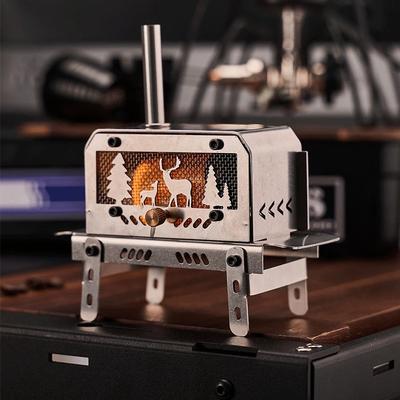
Uplifted Finds Mini Portable Folding Stove And High Fidelity Thermal Logistics Architecture Mini Portable Folding Stove And High Fidelity Thermal Logistics ArchitectureCommand ultimate environmental confidence with this Stainless Steel Mini Folding Stove, a thermal regulation solution specifically engineered to act as a comprehensive tool for elite organization and superior technical ergonomics. Built with a...177,97 $*Shipping: 0,00 $Secure redirect to the provider
-
Uplifted Finds High Volume Safety Breakaway Logistics Hub blueOptimize your pet inventory management with the HighVolume Safety Hub, a professionalgrade identification system engineered with multiunit deployment logic. This highutility lot features 100 individual collar modules, each constructed with a...165,97 $*Shipping: 0,00 $Secure redirect to the provider



-
Are the Celts Germanic?
No, the Celts are not Germanic. The Celts were a distinct group of people who originated in Central Europe and spread across much of Western Europe, including areas that are now part of modern-day France, Spain, and the British Isles. The Germanic peoples, on the other hand, originated in northern Europe and eventually spread into areas that are now part of modern-day Germany, Scandinavia, and the Netherlands. While the Celts and Germanic peoples may have had some interactions and influences on each other, they are considered to be separate and distinct cultural and linguistic groups. **
-
How tall were the Celts?
The Celts were known to be of average height for their time, with men typically ranging from 5 feet 6 inches to 5 feet 9 inches tall, and women around 5 feet to 5 feet 6 inches tall. However, there were variations in height among individuals based on factors such as nutrition, genetics, and overall health. Overall, the Celts were not significantly taller or shorter than other ancient European populations. **
-
Were there also Celts in Scandinavia?
Yes, there is evidence to suggest that there were Celts in Scandinavia. Archaeological findings and historical records indicate that there was contact and cultural exchange between the Celts and the people of Scandinavia. For example, artifacts such as jewelry and weapons with Celtic designs have been found in Scandinavia, suggesting trade and interaction between the two cultures. Additionally, some place names and linguistic evidence also point to Celtic influence in the region. **
-
Who were the ancestors of the Celts?
The ancestors of the Celts were believed to be the Proto-Indo-Europeans, a group of people who lived in the Eurasian Steppes around 4000-2500 BCE. These people eventually migrated and spread across Europe, influencing the development of various cultures, including the Celtic culture. **


What did the Celts call the Romans?
The Celts referred to the Romans as "Romaioi" or "Romani" in their own language. This term was used to describe the people from the city of Rome and later came to represent the entire Roman Empire. The Celts had various interactions with the Romans, including both conflicts and alliances, and the term "Romaioi" would have been used to refer to them in various contexts. **
Were there Celts in present-day Switzerland?
Yes, there were Celts in present-day Switzerland. The Celtic tribes inhabited the region that is now Switzerland from around the 5th century BCE. They established settlements and engaged in agriculture, trade, and metalworking. The Celts in Switzerland were eventually influenced by the Roman Empire and their culture and language evolved over time. Today, evidence of Celtic presence in Switzerland can be seen in archaeological sites and artifacts. **
Top-Angebote
Products related to Celts:
-
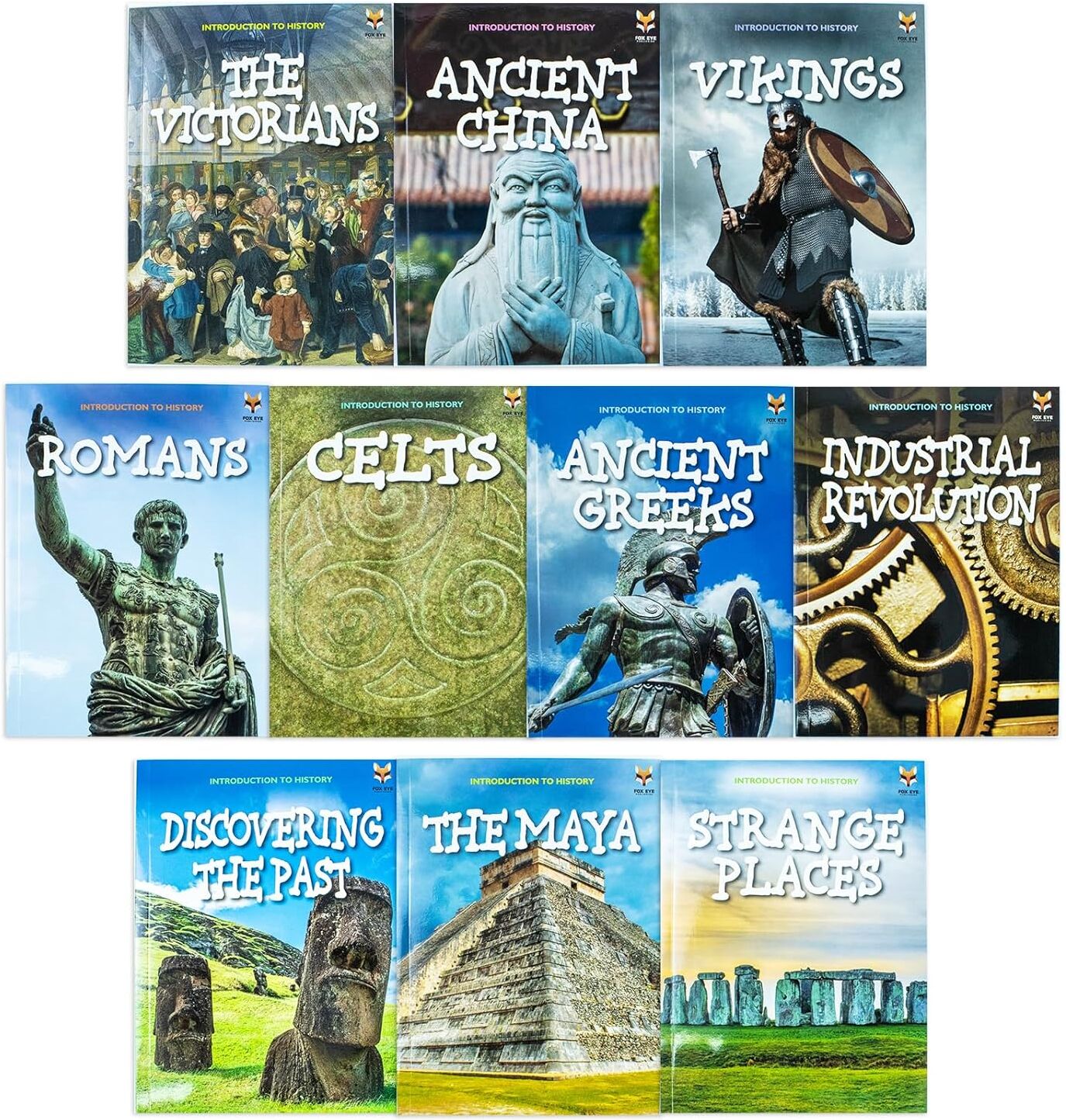
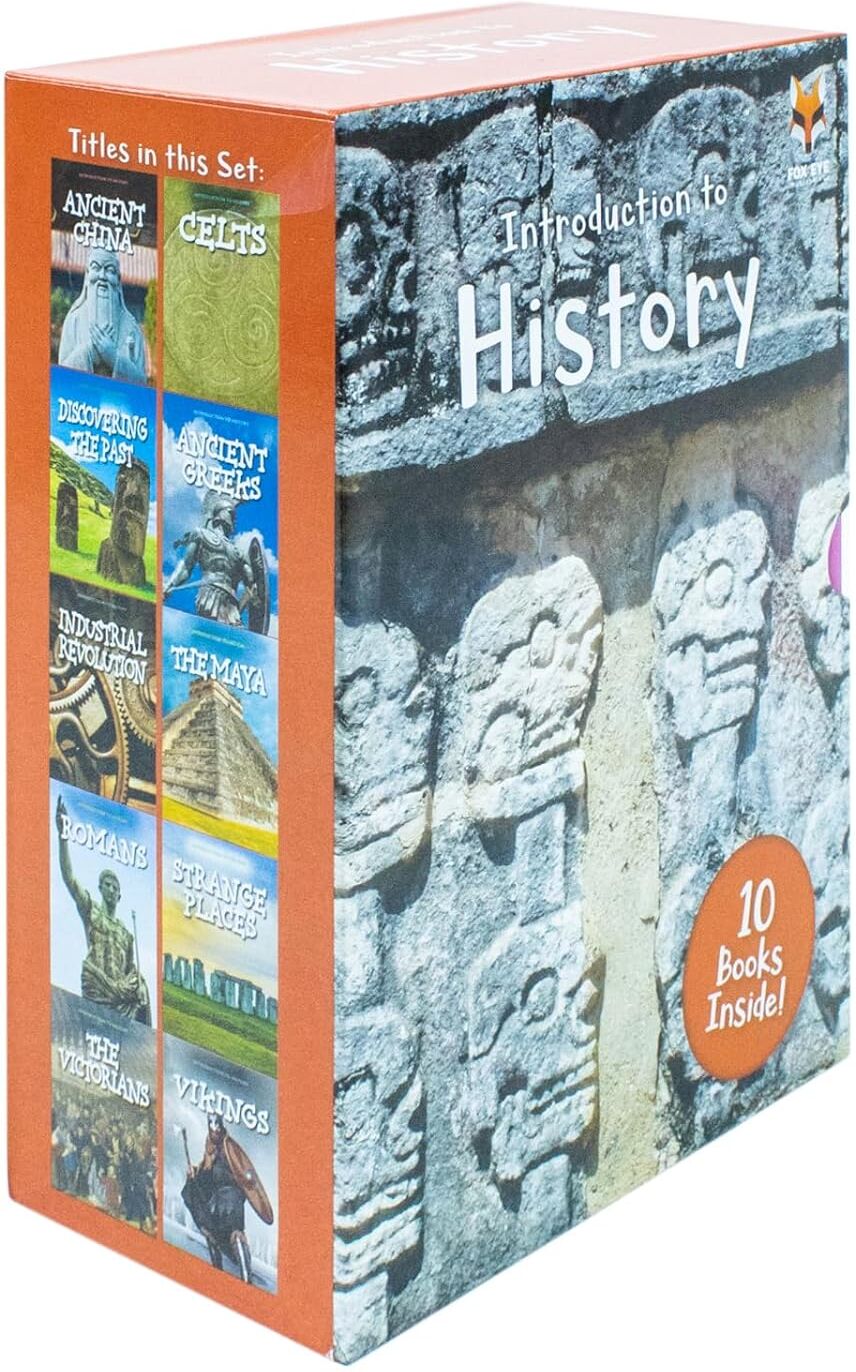
Fox Eye Publishing Introduction to History for Beginners Series 1 – 10 Books Collection Set – Ancient China, Celts & Educational History Collection"Introduction to History Series 1" comprises a captivating 10-book set delving into pivotal periods, figures, and events that shaped our world. Each book is a gateway to a distinct facet of history, inviting readers to embark on an enriching journey through time. Introduction to Ancient China: The ancient Chinese were clever inventors and fearsome fighters. Find out more about them and their amazing way of life inside. Introduction to Industrial Revolution: What was the Industrial Revolution and why did it happen? Find out inside. Introduction to Strange Places: What are strange places and what have we learnt about them? Find out inside. Introduction to Celts: The Celts were fearsome warriors and clever craftspeople. Find out more about them and their amazing way of life inside. Introduction to Discovering the Past: The past is full of wonder, and we can discover it by digging it up! Find out all about past people and how we learn about them inside. Introduction to Ancient Greeks: The ancient Greeks were clever thinkers and master builders. Find out more about them and their amazing way of life inside. Introduction to The Maya: The Maya were fierce fighters and master mathematicians. Find out more about them and their amazing way of life inside. Introduction to Romans: The Romans built an incredible empire that conquered much of the world. Find out more about them and their amazing way of life inside. Introduction to Vikings: The Vikings were fierce fighters and great explorers. Find out more about them and their amazing way of life inside. Introduction to The Victorians: Who were the Victorians and how did they change history? Find out inside. Each book in this set offers a captivating glimpse into a different facet of history, providing a comprehensive introduction to these diverse and intriguing civilizations and eras.9,99 £*Shipping: 2,99 £Secure redirect to the provider
-
Fox Eye Publishing Children Introduction To History For Beginners (Series 1) 10 Hardback Book Collection Set: (Ancient China, Celts, Discovering The Past, Ancient ... StChildren Introduction To History For Beginners (Series 1) – 10 Hardback Book Collection Set "Introduction to History Series 1" is a captivating 10-book hardback collection that takes readers on an exciting journey through time. Each book opens the door to a different civilisation, era, or discovery, making history easy to understand and fun to explore. Inside this set, you’ll uncover fascinating facts, colourful illustrations, and stories that bring the past to life: Introduction to Ancient China: The ancient Chinese were clever inventors and fearsome fighters. Find out more about them and their amazing way of life inside. Introduction to Celts: The Celts were fearsome warriors and skilled craftspeople. Discover how they lived and what made their culture so remarkable inside. Introduction to Discovering the Past: The past is full of wonder, and we can discover it by digging it up! Learn all about past people and how we find clues to their lives inside. Introduction to Ancient Greeks: The ancient Greeks were brilliant thinkers and master builders. Explore their gods, myths, and achievements inside. Introduction to Industrial Revolution: What was the Industrial Revolution and why did it change the world forever? Find out inside. Introduction to The Maya: The Maya were fierce fighters and master mathematicians. Learn more about their mysterious civilisation inside. Introduction to Romans: The Romans built a mighty empire that conquered much of the world. Discover their rulers, soldiers, and daily life inside. Introduction to Strange Places: What are strange places and what have we learnt from them? Explore unusual and mysterious sites inside. Introduction to The Victorians: Who were the Victorians and how did they shape history? Find out inside. Introduction to Vikings: The Vikings were fearless fighters and great explorers. Discover their incredible adventures inside. Each book in this collection offers a vivid glimpse into the past, providing a rich introduction to diverse civilisations, eras, and discoveries that shaped our world.9,99 £*Shipping: 2,99 £Secure redirect to the provider
-
Antsig Distribution Amplifier 8 Way, NewEnsure crystal-clear signal strength across multiple devices with the Antsig Distribution Amplifier 8 Way — a reliable and high-performance solution for distributing digital TV, FM, or DAB signals to multiple TVs or tuners in your home or commercial setup. This amplifier is designed to boost signal strength and maintain picture and sound quality, especially in areas with weak reception. Whether you're connecting TVs in different rooms or setting up a home entertainment system, Antsig delivers superior signal stability and wide coverage, making it the perfect choice for seamless media enjoyment. 🔶 ( 8-Way Signal Distribution ) – Distributes amplified signal to up to 8 different TVs or devices without signal loss. 🔶 ( High Gain Amplification ) – Enhances weak signals, improving clarity and reception across all connected devices. 🔶 ( Digital TV, FM & DAB Compatible ) – Supports a wide range of signals for versatile use in your entertainment setup. 🔶 ( Easy Plug-and-Play Installation ) – Simple setup with no complex configuration needed; ready to go out of the box. 🔶 ( Low Noise Output ) – Delivers a clean, interference-free signal for superior audio and video performance. 🔶 ( Compact & Durable Design ) – Space-saving design fits easily into any setup and built with long-lasting components. 🔶 ( Ideal for Homes & Commercial Spaces ) – Perfect for large households, offices, apartments, and hotels. 🔶 ( Power Supply Included ) – Comes complete with its own power adapter for uninterrupted performance. 🔶 ( Stable Signal Across All Ports ) – Ensures consistent signal strength across all 8 outputs. 🔶 ( Wall-Mountable Option ) – Flexible installation with optional wall mounting for better space management. The Antsig Distribution Amplifier 8 Way is the ultimate solution for homes or businesses needing consistent, high-quality signal distribution across multiple screens. Say goodbye to signal dropouts and enjoy uninterrupted entertainment with strong, stable performance in every room. Ideal for digital TV installations, this amplifier ensures you get the best possible viewing and listening experience from all your connected devices.24,99 £*Shipping: 0,00 £Secure redirect to the provider
-
Radius Electrofusion Gas Distribution Valve 32mmDonkin MDPE (PE 80) electrofusion fittings, for use with MDPE (PE80) gas pipe, is manufactured to the requirements of B.G Transco Technical Standard PL2 - Part 4. Electrofusion fittings are supplied in individual sealed bags to avoid contamination of the joint surfaces prior to jointing.79,02 £*Shipping: 0,00 £Secure redirect to the provider
-
What are Celts?
The Celts were a group of ancient peoples who lived in various regions of Europe, primarily in the Iron Age. They were known for their distinctive culture, art, language, and warfare tactics. The Celts were skilled metalworkers and farmers, and they had a strong sense of community and tribal identity. They were eventually assimilated or displaced by the expanding Roman Empire and other cultures. **
-
Are there still Celts?
While the ancient Celtic culture and civilization no longer exist in its original form, there are still people today who identify as Celts. These individuals often have Celtic ancestry and may participate in Celtic cultural traditions, music, language, and art. Additionally, there are regions in Europe, such as parts of Ireland, Scotland, Wales, and Brittany, where Celtic languages are still spoken and Celtic heritage is celebrated. **
-
Are the Celts Germanic?
No, the Celts are not Germanic. The Celts were a distinct group of people who originated in Central Europe and spread across much of Western Europe, including areas that are now part of modern-day France, Spain, and the British Isles. The Germanic peoples, on the other hand, originated in northern Europe and eventually spread into areas that are now part of modern-day Germany, Scandinavia, and the Netherlands. While the Celts and Germanic peoples may have had some interactions and influences on each other, they are considered to be separate and distinct cultural and linguistic groups. **
-
How tall were the Celts?
The Celts were known to be of average height for their time, with men typically ranging from 5 feet 6 inches to 5 feet 9 inches tall, and women around 5 feet to 5 feet 6 inches tall. However, there were variations in height among individuals based on factors such as nutrition, genetics, and overall health. Overall, the Celts were not significantly taller or shorter than other ancient European populations. **
Similar search terms for Celts
-
Uplifted Finds Mini Portable Folding Stove And High Fidelity Thermal Logistics Architecture Mini Portable Folding Stove And High Fidelity Thermal Logistics ArchitectureCommand ultimate environmental confidence with this Stainless Steel Mini Folding Stove, a thermal regulation solution specifically engineered to act as a comprehensive tool for elite organization and superior technical ergonomics. Built with a...177,97 $*Shipping: 0,00 $Secure redirect to the provider
-
Uplifted Finds High Volume Safety Breakaway Logistics Hub blueOptimize your pet inventory management with the HighVolume Safety Hub, a professionalgrade identification system engineered with multiunit deployment logic. This highutility lot features 100 individual collar modules, each constructed with a...165,97 $*Shipping: 0,00 $Secure redirect to the provider
-
Uplifted Finds High Volume Safety Breakaway Logistics Hub purpleOptimize your pet inventory management with the HighVolume Safety Hub, a professionalgrade identification system engineered with multiunit deployment logic. This highutility lot features 100 individual collar modules, each constructed with a...165,97 $*Shipping: 0,00 $Secure redirect to the provider
-
Uplifted Finds High Volume Safety Breakaway Logistics Hub pinkOptimize your pet inventory management with the HighVolume Safety Hub, a professionalgrade identification system engineered with multiunit deployment logic. This highutility lot features 100 individual collar modules, each constructed with a...165,97 $*Shipping: 0,00 $Secure redirect to the provider
-
Were there also Celts in Scandinavia?
Yes, there is evidence to suggest that there were Celts in Scandinavia. Archaeological findings and historical records indicate that there was contact and cultural exchange between the Celts and the people of Scandinavia. For example, artifacts such as jewelry and weapons with Celtic designs have been found in Scandinavia, suggesting trade and interaction between the two cultures. Additionally, some place names and linguistic evidence also point to Celtic influence in the region. **
-
Who were the ancestors of the Celts?
The ancestors of the Celts were believed to be the Proto-Indo-Europeans, a group of people who lived in the Eurasian Steppes around 4000-2500 BCE. These people eventually migrated and spread across Europe, influencing the development of various cultures, including the Celtic culture. **
-
What did the Celts call the Romans?
The Celts referred to the Romans as "Romaioi" or "Romani" in their own language. This term was used to describe the people from the city of Rome and later came to represent the entire Roman Empire. The Celts had various interactions with the Romans, including both conflicts and alliances, and the term "Romaioi" would have been used to refer to them in various contexts. **
-
Were there Celts in present-day Switzerland?
Yes, there were Celts in present-day Switzerland. The Celtic tribes inhabited the region that is now Switzerland from around the 5th century BCE. They established settlements and engaged in agriculture, trade, and metalworking. The Celts in Switzerland were eventually influenced by the Roman Empire and their culture and language evolved over time. Today, evidence of Celtic presence in Switzerland can be seen in archaeological sites and artifacts. **
* All prices are inclusive of VAT and, if applicable, plus shipping costs. The offer information is based on the details provided by the respective shop and is updated through automated processes. Real-time updates do not occur, so deviations can occur in individual cases. ** Note: Parts of this content were created by AI.