Buy amaronilogistics.eu ?
We are moving the project
amaronilogistics.eu .
Are you interested in purchasing the domain
amaronilogistics.eu ?
domain@kv-gmbh.de · 0541-91531010
Buy amaronilogistics.eu ?
What are biomedical disease models?
Biomedical disease models are tools used in research to study and understand human diseases. These models can be in the form of cell cultures, animal models, or computer simulations that mimic the characteristics and progression of a specific disease. By using these models, researchers can investigate the underlying mechanisms of diseases, test potential treatments, and develop new therapies to improve human health. Overall, biomedical disease models play a crucial role in advancing our knowledge of diseases and finding ways to prevent, diagnose, and treat them effectively. **
Where can one study Biomedical Analytics?
One can study Biomedical Analytics at various universities and colleges that offer programs in health informatics, bioinformatics, or biomedical data science. Some well-known institutions that offer programs in Biomedical Analytics include Stanford University, Harvard University, Johns Hopkins University, and the University of California, Los Angeles. Additionally, there are online programs and professional certifications available for those looking to specialize in Biomedical Analytics. **

Similar search terms for Biomedical
Top-Angebote
Products related to Biomedical:
-
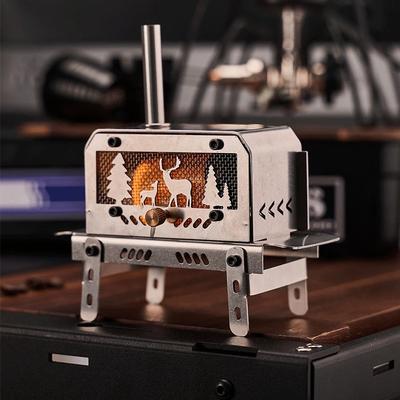
Uplifted Finds Mini Portable Folding Stove And High Fidelity Thermal Logistics Architecture Mini Portable Folding Stove And High Fidelity Thermal Logistics ArchitectureCommand ultimate environmental confidence with this Stainless Steel Mini Folding Stove, a thermal regulation solution specifically engineered to act as a comprehensive tool for elite organization and superior technical ergonomics. Built with a...177,97 $*Shipping: 0,00 $Secure redirect to the provider
-
Uplifted Finds High Volume Safety Breakaway Logistics Hub blueOptimize your pet inventory management with the HighVolume Safety Hub, a professionalgrade identification system engineered with multiunit deployment logic. This highutility lot features 100 individual collar modules, each constructed with a...165,97 $*Shipping: 0,00 $Secure redirect to the provider
-
Uplifted Finds High Volume Safety Breakaway Logistics Hub grayOptimize your pet inventory management with the HighVolume Safety Hub, a professionalgrade identification system engineered with multiunit deployment logic. This highutility lot features 100 individual collar modules, each constructed with a...165,97 $*Shipping: 0,00 $Secure redirect to the provider
-
Uplifted Finds High Volume Safety Breakaway Logistics Hub coffeeOptimize your pet inventory management with the HighVolume Safety Hub, a professionalgrade identification system engineered with multiunit deployment logic. This highutility lot features 100 individual collar modules, each constructed with a...165,97 $*Shipping: 0,00 $Secure redirect to the provider



-
What does a biomedical engineer do?
A biomedical engineer applies engineering principles and design concepts to medicine and biology for healthcare purposes. They work on developing medical devices, equipment, and software to improve patient care and treatment outcomes. Biomedical engineers also conduct research to solve clinical problems and improve healthcare technologies. Their work involves collaborating with healthcare professionals, scientists, and other engineers to create innovative solutions for the medical field. **
-
What is a biomedical specialist analyst?
A biomedical specialist analyst is a professional who specializes in analyzing and interpreting data related to biomedical research and healthcare. They use their expertise to evaluate the effectiveness of medical treatments, identify trends in disease prevalence, and assess the impact of new technologies on patient outcomes. These analysts play a crucial role in helping healthcare organizations make informed decisions and improve patient care. They may work in a variety of settings, including hospitals, research institutions, pharmaceutical companies, and government agencies. **
-
How can one transition from a biomedical analyst to forensics?
To transition from a biomedical analyst to forensics, one could consider pursuing additional education or training in forensic science or a related field. This could involve obtaining a certification or a master's degree in forensic science. It may also be beneficial to gain experience through internships or volunteer opportunities in forensic labs or with law enforcement agencies. Networking with professionals in the field of forensics and attending relevant conferences or workshops can also help in making the transition. **
-
Is there a difference between medical technology and biomedical engineering?
Yes, there is a difference between medical technology and biomedical engineering. Medical technology refers to the tools, equipment, and procedures used in healthcare to diagnose, monitor, and treat patients. Biomedical engineering, on the other hand, is a field that combines principles of engineering and biology to develop innovative solutions for healthcare challenges. Biomedical engineers design and create medical devices, equipment, and systems to improve patient care and advance medical research. In summary, medical technology is a component of healthcare that includes products and procedures, while biomedical engineering is a specialized field that focuses on applying engineering principles to healthcare. **


How can one become self-employed as a biomedical engineer?
To become self-employed as a biomedical engineer, one can start by gaining experience and expertise in the field through education and work experience. It is important to build a strong network of contacts within the industry to potentially secure clients or projects. Developing a business plan and identifying a niche market within biomedical engineering can help set one apart from competitors. Additionally, obtaining any necessary certifications or licenses and staying current with advancements in the field can help ensure success as a self-employed biomedical engineer. **
How can the biomedical model of illness be explained simply?
The biomedical model of illness is a perspective that views illness as being caused by biological factors such as genetics, pathogens, and physiological imbalances. It focuses on diagnosing and treating the specific biological mechanisms that are believed to be responsible for the illness. This model tends to prioritize medical interventions such as medications, surgeries, and other medical treatments to address the biological causes of illness. It does not take into account the social, psychological, or environmental factors that may also contribute to a person's health and well-being. **
Top-Angebote
Products related to Biomedical:
-
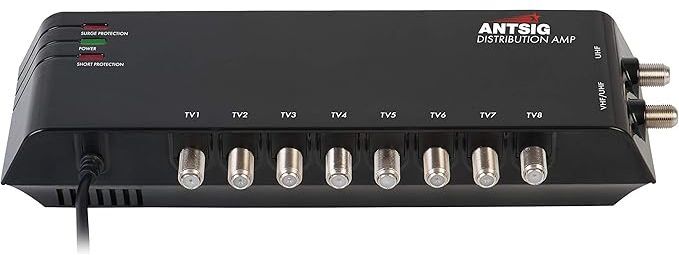
Antsig Distribution Amplifier 8 Way, NewEnsure crystal-clear signal strength across multiple devices with the Antsig Distribution Amplifier 8 Way — a reliable and high-performance solution for distributing digital TV, FM, or DAB signals to multiple TVs or tuners in your home or commercial setup. This amplifier is designed to boost signal strength and maintain picture and sound quality, especially in areas with weak reception. Whether you're connecting TVs in different rooms or setting up a home entertainment system, Antsig delivers superior signal stability and wide coverage, making it the perfect choice for seamless media enjoyment. 🔶 ( 8-Way Signal Distribution ) – Distributes amplified signal to up to 8 different TVs or devices without signal loss. 🔶 ( High Gain Amplification ) – Enhances weak signals, improving clarity and reception across all connected devices. 🔶 ( Digital TV, FM & DAB Compatible ) – Supports a wide range of signals for versatile use in your entertainment setup. 🔶 ( Easy Plug-and-Play Installation ) – Simple setup with no complex configuration needed; ready to go out of the box. 🔶 ( Low Noise Output ) – Delivers a clean, interference-free signal for superior audio and video performance. 🔶 ( Compact & Durable Design ) – Space-saving design fits easily into any setup and built with long-lasting components. 🔶 ( Ideal for Homes & Commercial Spaces ) – Perfect for large households, offices, apartments, and hotels. 🔶 ( Power Supply Included ) – Comes complete with its own power adapter for uninterrupted performance. 🔶 ( Stable Signal Across All Ports ) – Ensures consistent signal strength across all 8 outputs. 🔶 ( Wall-Mountable Option ) – Flexible installation with optional wall mounting for better space management. The Antsig Distribution Amplifier 8 Way is the ultimate solution for homes or businesses needing consistent, high-quality signal distribution across multiple screens. Say goodbye to signal dropouts and enjoy uninterrupted entertainment with strong, stable performance in every room. Ideal for digital TV installations, this amplifier ensures you get the best possible viewing and listening experience from all your connected devices.24,99 £*Shipping: 0,00 £Secure redirect to the provider
-
Radius Electrofusion Gas Distribution Valve 32mmDonkin MDPE (PE 80) electrofusion fittings, for use with MDPE (PE80) gas pipe, is manufactured to the requirements of B.G Transco Technical Standard PL2 - Part 4. Electrofusion fittings are supplied in individual sealed bags to avoid contamination of the joint surfaces prior to jointing.79,02 £*Shipping: 0,00 £Secure redirect to the provider
-
Uplifted Finds Mini Portable Folding Stove And High Fidelity Thermal Logistics Architecture Mini Portable Folding Stove And High Fidelity Thermal Logistics ArchitectureCommand ultimate environmental confidence with this Stainless Steel Mini Folding Stove, a thermal regulation solution specifically engineered to act as a comprehensive tool for elite organization and superior technical ergonomics. Built with a...177,97 $*Shipping: 0,00 $Secure redirect to the provider
-
Uplifted Finds High Volume Safety Breakaway Logistics Hub blueOptimize your pet inventory management with the HighVolume Safety Hub, a professionalgrade identification system engineered with multiunit deployment logic. This highutility lot features 100 individual collar modules, each constructed with a...165,97 $*Shipping: 0,00 $Secure redirect to the provider
-
What are biomedical disease models?
Biomedical disease models are tools used in research to study and understand human diseases. These models can be in the form of cell cultures, animal models, or computer simulations that mimic the characteristics and progression of a specific disease. By using these models, researchers can investigate the underlying mechanisms of diseases, test potential treatments, and develop new therapies to improve human health. Overall, biomedical disease models play a crucial role in advancing our knowledge of diseases and finding ways to prevent, diagnose, and treat them effectively. **
-
Where can one study Biomedical Analytics?
One can study Biomedical Analytics at various universities and colleges that offer programs in health informatics, bioinformatics, or biomedical data science. Some well-known institutions that offer programs in Biomedical Analytics include Stanford University, Harvard University, Johns Hopkins University, and the University of California, Los Angeles. Additionally, there are online programs and professional certifications available for those looking to specialize in Biomedical Analytics. **
-
What does a biomedical engineer do?
A biomedical engineer applies engineering principles and design concepts to medicine and biology for healthcare purposes. They work on developing medical devices, equipment, and software to improve patient care and treatment outcomes. Biomedical engineers also conduct research to solve clinical problems and improve healthcare technologies. Their work involves collaborating with healthcare professionals, scientists, and other engineers to create innovative solutions for the medical field. **
-
What is a biomedical specialist analyst?
A biomedical specialist analyst is a professional who specializes in analyzing and interpreting data related to biomedical research and healthcare. They use their expertise to evaluate the effectiveness of medical treatments, identify trends in disease prevalence, and assess the impact of new technologies on patient outcomes. These analysts play a crucial role in helping healthcare organizations make informed decisions and improve patient care. They may work in a variety of settings, including hospitals, research institutions, pharmaceutical companies, and government agencies. **
Similar search terms for Biomedical
-
Uplifted Finds High Volume Safety Breakaway Logistics Hub grayOptimize your pet inventory management with the HighVolume Safety Hub, a professionalgrade identification system engineered with multiunit deployment logic. This highutility lot features 100 individual collar modules, each constructed with a...165,97 $*Shipping: 0,00 $Secure redirect to the provider
-
Uplifted Finds High Volume Safety Breakaway Logistics Hub coffeeOptimize your pet inventory management with the HighVolume Safety Hub, a professionalgrade identification system engineered with multiunit deployment logic. This highutility lot features 100 individual collar modules, each constructed with a...165,97 $*Shipping: 0,00 $Secure redirect to the provider
-
Uplifted Finds High Volume Safety Breakaway Logistics Hub orangeOptimize your pet inventory management with the HighVolume Safety Hub, a professionalgrade identification system engineered with multiunit deployment logic. This highutility lot features 100 individual collar modules, each constructed with a...165,97 $*Shipping: 0,00 $Secure redirect to the provider
-
Uplifted Finds High Volume Safety Breakaway Logistics Hub greenOptimize your pet inventory management with the HighVolume Safety Hub, a professionalgrade identification system engineered with multiunit deployment logic. This highutility lot features 100 individual collar modules, each constructed with a...165,97 $*Shipping: 0,00 $Secure redirect to the provider
-
How can one transition from a biomedical analyst to forensics?
To transition from a biomedical analyst to forensics, one could consider pursuing additional education or training in forensic science or a related field. This could involve obtaining a certification or a master's degree in forensic science. It may also be beneficial to gain experience through internships or volunteer opportunities in forensic labs or with law enforcement agencies. Networking with professionals in the field of forensics and attending relevant conferences or workshops can also help in making the transition. **
-
Is there a difference between medical technology and biomedical engineering?
Yes, there is a difference between medical technology and biomedical engineering. Medical technology refers to the tools, equipment, and procedures used in healthcare to diagnose, monitor, and treat patients. Biomedical engineering, on the other hand, is a field that combines principles of engineering and biology to develop innovative solutions for healthcare challenges. Biomedical engineers design and create medical devices, equipment, and systems to improve patient care and advance medical research. In summary, medical technology is a component of healthcare that includes products and procedures, while biomedical engineering is a specialized field that focuses on applying engineering principles to healthcare. **
-
How can one become self-employed as a biomedical engineer?
To become self-employed as a biomedical engineer, one can start by gaining experience and expertise in the field through education and work experience. It is important to build a strong network of contacts within the industry to potentially secure clients or projects. Developing a business plan and identifying a niche market within biomedical engineering can help set one apart from competitors. Additionally, obtaining any necessary certifications or licenses and staying current with advancements in the field can help ensure success as a self-employed biomedical engineer. **
-
How can the biomedical model of illness be explained simply?
The biomedical model of illness is a perspective that views illness as being caused by biological factors such as genetics, pathogens, and physiological imbalances. It focuses on diagnosing and treating the specific biological mechanisms that are believed to be responsible for the illness. This model tends to prioritize medical interventions such as medications, surgeries, and other medical treatments to address the biological causes of illness. It does not take into account the social, psychological, or environmental factors that may also contribute to a person's health and well-being. **
* All prices are inclusive of VAT and, if applicable, plus shipping costs. The offer information is based on the details provided by the respective shop and is updated through automated processes. Real-time updates do not occur, so deviations can occur in individual cases. ** Note: Parts of this content were created by AI.