Buy amaronilogistics.eu ?
We are moving the project
amaronilogistics.eu .
Are you interested in purchasing the domain
amaronilogistics.eu ?
domain@kv-gmbh.de · 0541-91531010
Buy amaronilogistics.eu ?
How does seagrass taste?
Seagrass has a slightly salty and earthy taste, with a hint of bitterness. It is not typically consumed by humans, but some marine animals such as manatees and sea turtles feed on seagrass as a part of their diet. The taste of seagrass can vary depending on the species and the environment in which it grows. Overall, it is not considered to be a palatable food for humans. **
How can one clean a seagrass rug?
To clean a seagrass rug, start by vacuuming it to remove any loose dirt and debris. Then, mix a small amount of mild detergent with water and use a soft-bristled brush to gently scrub the rug in the direction of the grain. Be careful not to oversaturate the rug, as seagrass is sensitive to moisture. After cleaning, blot the rug with a clean towel to remove excess water and allow it to air dry completely. Avoid using harsh chemicals or steam cleaning, as these can damage the natural fibers of the seagrass. **

Similar search terms for ARCILLA-ELEMENTAL-Brown-Seagrass
Top-Angebote
Products related to ARCILLA-ELEMENTAL-Brown-Seagrass:
-
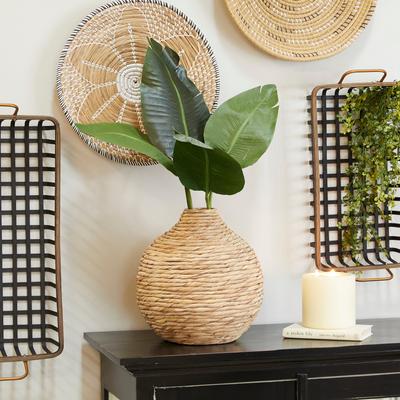
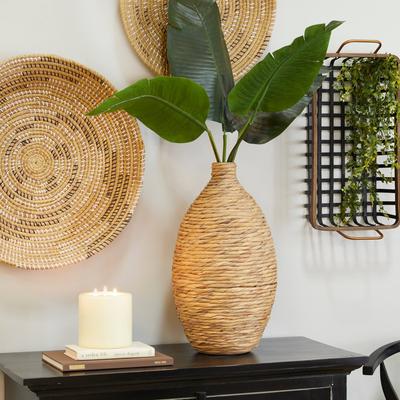
ARCILLA ELEMENTAL Brown Seagrass Handmade Wrapped Decorative VaseUse this brown centerpiece vase as a display piece in your living room or to hold your favorite dried flowers and plants. Designed with felt or rubber stoppers at the base that prevent scratching furniture and table tops, as well as sliding around.59,99 $*Shipping: 0,00 $Secure redirect to the provider
-
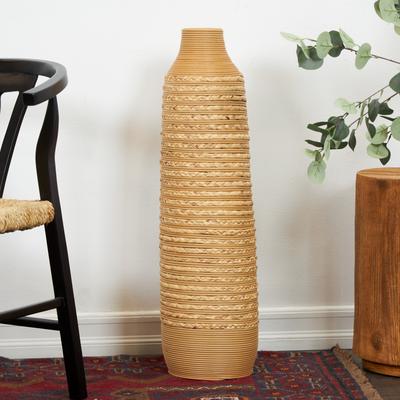
ARCILLA ELEMENTAL Brown Seagrass Handmade Woven VaseCreate depth and form onto your space by displaying this beautifully crafted vase. Get creative with your display by adding long stem arrangement or mix and match with other vases for unique mix of texture and color.70,90 $*Shipping: 0,00 $Secure redirect to the provider


-
Why can plants like seagrass grow in saltwater?
Seagrass can grow in saltwater because they have adapted to tolerate the high salinity levels. They have specialized cells and mechanisms that allow them to regulate the amount of salt in their tissues, preventing dehydration and maintaining proper water balance. Additionally, seagrass roots are able to take up water and nutrients from the surrounding saltwater, allowing them to thrive in this environment. Overall, seagrass has evolved to thrive in saltwater conditions, making them well-suited for coastal and marine ecosystems. **
-
What are elemental artifacts?
Elemental artifacts are objects or items that are imbued with the power of the elements, such as earth, air, fire, or water. These artifacts are often associated with ancient myths and legends, and are said to possess great magical or mystical properties. They are believed to harness the elemental forces of nature and can be used for various purposes, such as protection, healing, or wielding great power. Throughout history, elemental artifacts have been sought after by adventurers, sorcerers, and seekers of ancient knowledge. **
-
Which spelling is correct: Yu-Gi-Oh! Elemental Hero or Elemental Hero?
The correct spelling is "Elemental Hero." "Yu-Gi-Oh!" is the name of the franchise, and "Elemental Hero" is the name of a specific type of card within the game. Therefore, the correct spelling is "Elemental Hero" when referring to the card type in the "Yu-Gi-Oh!" trading card game. **
-
Are all metals elemental substances?
No, not all metals are elemental substances. Metals are a type of element that is typically solid, shiny, and a good conductor of heat and electricity. However, some metals can form compounds with other elements, such as oxygen, sulfur, or carbon, resulting in metal oxides, sulfides, or carbides. These compounds are not considered elemental substances because they are made up of more than one type of element. **

Is copper an elemental substance?
Yes, copper is an elemental substance. It is a chemical element with the symbol Cu and atomic number 29. Copper is a metal that is known for its excellent electrical and thermal conductivity, making it a valuable material in various industries such as electronics and construction. **
How toxic is elemental chlorine?
Elemental chlorine is highly toxic and can be harmful if inhaled, ingested, or in contact with the skin or eyes. It is a strong irritant to the respiratory system and can cause coughing, chest tightness, and difficulty breathing. In high concentrations, it can cause severe lung damage and even death. Additionally, exposure to chlorine gas can also lead to skin and eye irritation, as well as damage to the gastrointestinal tract if ingested. Therefore, it is important to handle elemental chlorine with extreme caution and ensure proper safety measures are in place when working with it. **
Top-Angebote
Products related to ARCILLA-ELEMENTAL-Brown-Seagrass:
-
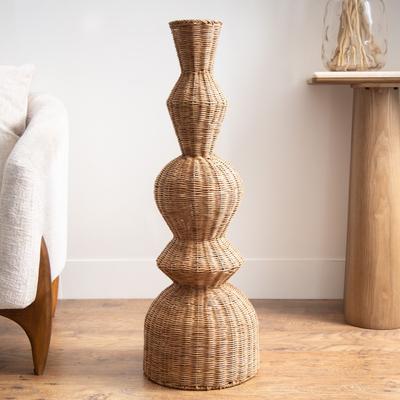
ARCILLA ELEMENTAL Brown Seagrass Handmade Braided VaseUse it as a display piece or to hold your favorite dried flowers and plants. Designed with felt or rubber stoppers at the base that prevent scratching furniture and table tops, as well as sliding around. This item ships in 1 carton.41,49 $*Shipping: 0,00 $Secure redirect to the provider
-
ARCILLA ELEMENTAL Brown Seagrass Handmade Woven VaseCreate depth and form onto your space by displaying this beautifully crafted vase. Get creative with your display by adding long stem arrangement or mix and match with other vases for unique mix of texture and color.79,49 $*Shipping: 0,00 $Secure redirect to the provider
-
ARCILLA ELEMENTAL Brown Seagrass Handmade Wrapped Decorative VaseUse this brown centerpiece vase as a display piece in your living room or to hold your favorite dried flowers and plants. Designed with felt or rubber stoppers at the base that prevent scratching furniture and table tops, as well as sliding around.59,99 $*Shipping: 0,00 $Secure redirect to the provider
-
How does seagrass taste?
Seagrass has a slightly salty and earthy taste, with a hint of bitterness. It is not typically consumed by humans, but some marine animals such as manatees and sea turtles feed on seagrass as a part of their diet. The taste of seagrass can vary depending on the species and the environment in which it grows. Overall, it is not considered to be a palatable food for humans. **
-
How can one clean a seagrass rug?
To clean a seagrass rug, start by vacuuming it to remove any loose dirt and debris. Then, mix a small amount of mild detergent with water and use a soft-bristled brush to gently scrub the rug in the direction of the grain. Be careful not to oversaturate the rug, as seagrass is sensitive to moisture. After cleaning, blot the rug with a clean towel to remove excess water and allow it to air dry completely. Avoid using harsh chemicals or steam cleaning, as these can damage the natural fibers of the seagrass. **
-
Why can plants like seagrass grow in saltwater?
Seagrass can grow in saltwater because they have adapted to tolerate the high salinity levels. They have specialized cells and mechanisms that allow them to regulate the amount of salt in their tissues, preventing dehydration and maintaining proper water balance. Additionally, seagrass roots are able to take up water and nutrients from the surrounding saltwater, allowing them to thrive in this environment. Overall, seagrass has evolved to thrive in saltwater conditions, making them well-suited for coastal and marine ecosystems. **
-
What are elemental artifacts?
Elemental artifacts are objects or items that are imbued with the power of the elements, such as earth, air, fire, or water. These artifacts are often associated with ancient myths and legends, and are said to possess great magical or mystical properties. They are believed to harness the elemental forces of nature and can be used for various purposes, such as protection, healing, or wielding great power. Throughout history, elemental artifacts have been sought after by adventurers, sorcerers, and seekers of ancient knowledge. **
Similar search terms for ARCILLA-ELEMENTAL-Brown-Seagrass
-
ARCILLA ELEMENTAL Brown Seagrass Handmade Woven VaseCreate depth and form onto your space by displaying this beautifully crafted vase. Get creative with your display by adding long stem arrangement or mix and match with other vases for unique mix of texture and color.70,90 $*Shipping: 0,00 $Secure redirect to the provider
-
ARCILLA ELEMENTAL Brown Seagrass Handmade Woven Decorative VaseCreate depth and form onto your space by displaying this beautifully crafted vase. Get creative with your display by adding long stem arrangement or mix and match with other vases for unique mix of texture and color.48,49 $*Shipping: 0,00 $Secure redirect to the provider
-
ARCILLA ELEMENTAL Brown Seagrass Handmade Wrapped Decorative VaseUse the brown centerpiece vase to enhance your living room or dining area. Designed with felt or rubber stoppers at the base that prevent scratching furniture and table tops, as well as sliding around. This item ships in 1 carton.118,34 $*Shipping: 0,00 $Secure redirect to the provider
-
Which spelling is correct: Yu-Gi-Oh! Elemental Hero or Elemental Hero?
The correct spelling is "Elemental Hero." "Yu-Gi-Oh!" is the name of the franchise, and "Elemental Hero" is the name of a specific type of card within the game. Therefore, the correct spelling is "Elemental Hero" when referring to the card type in the "Yu-Gi-Oh!" trading card game. **
-
Are all metals elemental substances?
No, not all metals are elemental substances. Metals are a type of element that is typically solid, shiny, and a good conductor of heat and electricity. However, some metals can form compounds with other elements, such as oxygen, sulfur, or carbon, resulting in metal oxides, sulfides, or carbides. These compounds are not considered elemental substances because they are made up of more than one type of element. **
-
Is copper an elemental substance?
Yes, copper is an elemental substance. It is a chemical element with the symbol Cu and atomic number 29. Copper is a metal that is known for its excellent electrical and thermal conductivity, making it a valuable material in various industries such as electronics and construction. **
-
How toxic is elemental chlorine?
Elemental chlorine is highly toxic and can be harmful if inhaled, ingested, or in contact with the skin or eyes. It is a strong irritant to the respiratory system and can cause coughing, chest tightness, and difficulty breathing. In high concentrations, it can cause severe lung damage and even death. Additionally, exposure to chlorine gas can also lead to skin and eye irritation, as well as damage to the gastrointestinal tract if ingested. Therefore, it is important to handle elemental chlorine with extreme caution and ensure proper safety measures are in place when working with it. **
* All prices are inclusive of VAT and, if applicable, plus shipping costs. The offer information is based on the details provided by the respective shop and is updated through automated processes. Real-time updates do not occur, so deviations can occur in individual cases. ** Note: Parts of this content were created by AI.