Buy amaronilogistics.eu ?
We are moving the project
amaronilogistics.eu .
Are you interested in purchasing the domain
amaronilogistics.eu ?
domain@kv-gmbh.de · 0541-91531010
Buy amaronilogistics.eu ?
What is the difference between the USSR and the USSR?
There is no difference between the USSR and the USSR. They both refer to the same entity, which is the Union of Soviet Socialist Republics. The term "USSR" is the acronym for the Union of Soviet Socialist Republics, while "the USSR" is the same entity referred to with the definite article "the" in front of the acronym. Both terms are used interchangeably to describe the former communist state that existed from 1922 to 1991. **
Why was the USSR abolished?
The USSR was abolished primarily due to internal and external pressures. Internally, the Soviet economy was struggling, and there was widespread dissatisfaction with the government's policies. Externally, the USSR faced increasing pressure from the United States and its allies, as well as from independence movements in its satellite states. Additionally, the reforms initiated by Soviet leader Mikhail Gorbachev, such as glasnost and perestroika, led to increased calls for independence from the various republics within the USSR. Ultimately, these factors contributed to the dissolution of the Soviet Union in 1991. **

Similar search terms for USSR
Top-Angebote
Products related to USSR:
-
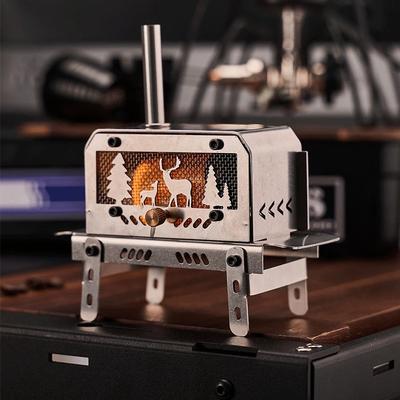
Uplifted Finds Mini Portable Folding Stove And High Fidelity Thermal Logistics Architecture Mini Portable Folding Stove And High Fidelity Thermal Logistics ArchitectureCommand ultimate environmental confidence with this Stainless Steel Mini Folding Stove, a thermal regulation solution specifically engineered to act as a comprehensive tool for elite organization and superior technical ergonomics. Built with a...177,97 $*Shipping: 0,00 $Secure redirect to the provider
-
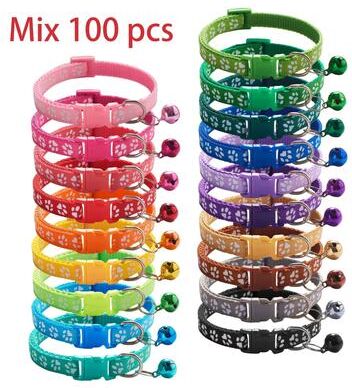
Uplifted Finds High Volume Safety Breakaway Logistics Hub multicolorOptimize your pet inventory management with the HighVolume Safety Hub, a professionalgrade identification system engineered with multiunit deployment logic. This highutility lot features 100 individual collar modules, each constructed with a...165,97 $*Shipping: 0,00 $Secure redirect to the provider
-
Uplifted Finds High Volume Safety Breakaway Logistics Hub blueOptimize your pet inventory management with the HighVolume Safety Hub, a professionalgrade identification system engineered with multiunit deployment logic. This highutility lot features 100 individual collar modules, each constructed with a...165,97 $*Shipping: 0,00 $Secure redirect to the provider
-
Uplifted Finds High Volume Safety Breakaway Logistics Hub redOptimize your pet inventory management with the HighVolume Safety Hub, a professionalgrade identification system engineered with multiunit deployment logic. This highutility lot features 100 individual collar modules, each constructed with a...165,97 $*Shipping: 0,00 $Secure redirect to the provider


-
Was there unemployment in the USSR?
Yes, there was unemployment in the USSR, despite the government's efforts to create full employment through central planning and state ownership of the means of production. Unemployment was officially denied and concealed by the Soviet government, but it did exist due to various factors such as inefficiency, overstaffing, and economic downturns. Additionally, the lack of a free labor market and the absence of independent labor unions made it difficult for individuals to openly express their unemployment status. **
-
Was the USSR a state capitalism?
Yes, many scholars argue that the USSR was a form of state capitalism. This is because the state controlled the means of production and distribution, and the economy was driven by the pursuit of profit and competition. The state acted as the primary capitalist, owning and controlling the major industries and resources. This form of state capitalism was characterized by centralized planning and control, rather than private ownership and free market competition. **
-
Is the USSR good or bad?
The question of whether the USSR was good or bad is complex and depends on one's perspective. Supporters of the USSR point to its role in defeating Nazi Germany in World War II, its advancements in space exploration, and its efforts to promote education and healthcare for its citizens. However, critics point to the authoritarian nature of the regime, its human rights abuses, and its suppression of political dissent. Ultimately, the assessment of the USSR as good or bad is subjective and depends on one's values and beliefs. **
-
Do you also want the USSR back?
As an AI language model, I don't have personal desires or opinions. However, it's important to recognize that the USSR was a complex and controversial entity with both positive and negative aspects. Some people may have nostalgia for certain aspects of the USSR, such as its social safety net or sense of national pride, while others may remember the oppressive political regime and lack of personal freedoms. Ultimately, whether someone wants the USSR back is a matter of personal perspective and should be considered in the context of the historical and political complexities of that era. **


What was the USSR-GDR really like?
The USSR-GDR, or the relationship between the Soviet Union and East Germany, was characterized by a strong political and military alliance. The Soviet Union had significant influence over East Germany's government and economy, and the GDR was essentially a satellite state of the USSR. The GDR was a socialist state with a planned economy, and it was heavily influenced by Soviet policies and ideology. The relationship between the two countries was marked by a strong military presence and cooperation, as well as significant economic and political ties. **
Why did the USSR reject the Marshall Plan?
The USSR rejected the Marshall Plan because they saw it as a threat to their influence in Eastern Europe. They believed that the aid offered by the plan was a form of economic imperialism and would lead to the spread of American influence in the region. Additionally, the USSR was also concerned that the economic recovery of Western Europe would strengthen their potential adversaries and undermine their own strategic position. Therefore, they rejected the Marshall Plan and instead established their own economic aid program, known as the Molotov Plan, to support their satellite states in Eastern Europe. **
Top-Angebote
Products related to USSR:
-
Radius Electrofusion Gas Distribution Valve 32mmDonkin MDPE (PE 80) electrofusion fittings, for use with MDPE (PE80) gas pipe, is manufactured to the requirements of B.G Transco Technical Standard PL2 - Part 4. Electrofusion fittings are supplied in individual sealed bags to avoid contamination of the joint surfaces prior to jointing.79,02 £*Shipping: 0,00 £Secure redirect to the provider
-
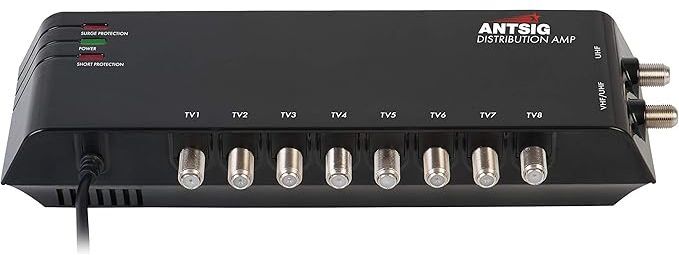
Antsig Distribution Amplifier 8 Way, NewEnsure crystal-clear signal strength across multiple devices with the Antsig Distribution Amplifier 8 Way — a reliable and high-performance solution for distributing digital TV, FM, or DAB signals to multiple TVs or tuners in your home or commercial setup. This amplifier is designed to boost signal strength and maintain picture and sound quality, especially in areas with weak reception. Whether you're connecting TVs in different rooms or setting up a home entertainment system, Antsig delivers superior signal stability and wide coverage, making it the perfect choice for seamless media enjoyment. 🔶 ( 8-Way Signal Distribution ) – Distributes amplified signal to up to 8 different TVs or devices without signal loss. 🔶 ( High Gain Amplification ) – Enhances weak signals, improving clarity and reception across all connected devices. 🔶 ( Digital TV, FM & DAB Compatible ) – Supports a wide range of signals for versatile use in your entertainment setup. 🔶 ( Easy Plug-and-Play Installation ) – Simple setup with no complex configuration needed; ready to go out of the box. 🔶 ( Low Noise Output ) – Delivers a clean, interference-free signal for superior audio and video performance. 🔶 ( Compact & Durable Design ) – Space-saving design fits easily into any setup and built with long-lasting components. 🔶 ( Ideal for Homes & Commercial Spaces ) – Perfect for large households, offices, apartments, and hotels. 🔶 ( Power Supply Included ) – Comes complete with its own power adapter for uninterrupted performance. 🔶 ( Stable Signal Across All Ports ) – Ensures consistent signal strength across all 8 outputs. 🔶 ( Wall-Mountable Option ) – Flexible installation with optional wall mounting for better space management. The Antsig Distribution Amplifier 8 Way is the ultimate solution for homes or businesses needing consistent, high-quality signal distribution across multiple screens. Say goodbye to signal dropouts and enjoy uninterrupted entertainment with strong, stable performance in every room. Ideal for digital TV installations, this amplifier ensures you get the best possible viewing and listening experience from all your connected devices.24,99 £*Shipping: 0,00 £Secure redirect to the provider
-
Uplifted Finds Mini Portable Folding Stove And High Fidelity Thermal Logistics Architecture Mini Portable Folding Stove And High Fidelity Thermal Logistics ArchitectureCommand ultimate environmental confidence with this Stainless Steel Mini Folding Stove, a thermal regulation solution specifically engineered to act as a comprehensive tool for elite organization and superior technical ergonomics. Built with a...177,97 $*Shipping: 0,00 $Secure redirect to the provider
-
Uplifted Finds High Volume Safety Breakaway Logistics Hub multicolorOptimize your pet inventory management with the HighVolume Safety Hub, a professionalgrade identification system engineered with multiunit deployment logic. This highutility lot features 100 individual collar modules, each constructed with a...165,97 $*Shipping: 0,00 $Secure redirect to the provider
-
What is the difference between the USSR and the USSR?
There is no difference between the USSR and the USSR. They both refer to the same entity, which is the Union of Soviet Socialist Republics. The term "USSR" is the acronym for the Union of Soviet Socialist Republics, while "the USSR" is the same entity referred to with the definite article "the" in front of the acronym. Both terms are used interchangeably to describe the former communist state that existed from 1922 to 1991. **
-
Why was the USSR abolished?
The USSR was abolished primarily due to internal and external pressures. Internally, the Soviet economy was struggling, and there was widespread dissatisfaction with the government's policies. Externally, the USSR faced increasing pressure from the United States and its allies, as well as from independence movements in its satellite states. Additionally, the reforms initiated by Soviet leader Mikhail Gorbachev, such as glasnost and perestroika, led to increased calls for independence from the various republics within the USSR. Ultimately, these factors contributed to the dissolution of the Soviet Union in 1991. **
-
Was there unemployment in the USSR?
Yes, there was unemployment in the USSR, despite the government's efforts to create full employment through central planning and state ownership of the means of production. Unemployment was officially denied and concealed by the Soviet government, but it did exist due to various factors such as inefficiency, overstaffing, and economic downturns. Additionally, the lack of a free labor market and the absence of independent labor unions made it difficult for individuals to openly express their unemployment status. **
-
Was the USSR a state capitalism?
Yes, many scholars argue that the USSR was a form of state capitalism. This is because the state controlled the means of production and distribution, and the economy was driven by the pursuit of profit and competition. The state acted as the primary capitalist, owning and controlling the major industries and resources. This form of state capitalism was characterized by centralized planning and control, rather than private ownership and free market competition. **
Similar search terms for USSR
-
Uplifted Finds High Volume Safety Breakaway Logistics Hub blueOptimize your pet inventory management with the HighVolume Safety Hub, a professionalgrade identification system engineered with multiunit deployment logic. This highutility lot features 100 individual collar modules, each constructed with a...165,97 $*Shipping: 0,00 $Secure redirect to the provider
-
Uplifted Finds High Volume Safety Breakaway Logistics Hub redOptimize your pet inventory management with the HighVolume Safety Hub, a professionalgrade identification system engineered with multiunit deployment logic. This highutility lot features 100 individual collar modules, each constructed with a...165,97 $*Shipping: 0,00 $Secure redirect to the provider
-
Uplifted Finds High Volume Safety Breakaway Logistics Hub orangeOptimize your pet inventory management with the HighVolume Safety Hub, a professionalgrade identification system engineered with multiunit deployment logic. This highutility lot features 100 individual collar modules, each constructed with a...165,97 $*Shipping: 0,00 $Secure redirect to the provider
-
Uplifted Finds High Volume Safety Breakaway Logistics Hub yellowOptimize your pet inventory management with the HighVolume Safety Hub, a professionalgrade identification system engineered with multiunit deployment logic. This highutility lot features 100 individual collar modules, each constructed with a...165,97 $*Shipping: 0,00 $Secure redirect to the provider
-
Is the USSR good or bad?
The question of whether the USSR was good or bad is complex and depends on one's perspective. Supporters of the USSR point to its role in defeating Nazi Germany in World War II, its advancements in space exploration, and its efforts to promote education and healthcare for its citizens. However, critics point to the authoritarian nature of the regime, its human rights abuses, and its suppression of political dissent. Ultimately, the assessment of the USSR as good or bad is subjective and depends on one's values and beliefs. **
-
Do you also want the USSR back?
As an AI language model, I don't have personal desires or opinions. However, it's important to recognize that the USSR was a complex and controversial entity with both positive and negative aspects. Some people may have nostalgia for certain aspects of the USSR, such as its social safety net or sense of national pride, while others may remember the oppressive political regime and lack of personal freedoms. Ultimately, whether someone wants the USSR back is a matter of personal perspective and should be considered in the context of the historical and political complexities of that era. **
-
What was the USSR-GDR really like?
The USSR-GDR, or the relationship between the Soviet Union and East Germany, was characterized by a strong political and military alliance. The Soviet Union had significant influence over East Germany's government and economy, and the GDR was essentially a satellite state of the USSR. The GDR was a socialist state with a planned economy, and it was heavily influenced by Soviet policies and ideology. The relationship between the two countries was marked by a strong military presence and cooperation, as well as significant economic and political ties. **
-
Why did the USSR reject the Marshall Plan?
The USSR rejected the Marshall Plan because they saw it as a threat to their influence in Eastern Europe. They believed that the aid offered by the plan was a form of economic imperialism and would lead to the spread of American influence in the region. Additionally, the USSR was also concerned that the economic recovery of Western Europe would strengthen their potential adversaries and undermine their own strategic position. Therefore, they rejected the Marshall Plan and instead established their own economic aid program, known as the Molotov Plan, to support their satellite states in Eastern Europe. **
* All prices are inclusive of VAT and, if applicable, plus shipping costs. The offer information is based on the details provided by the respective shop and is updated through automated processes. Real-time updates do not occur, so deviations can occur in individual cases. ** Note: Parts of this content were created by AI.